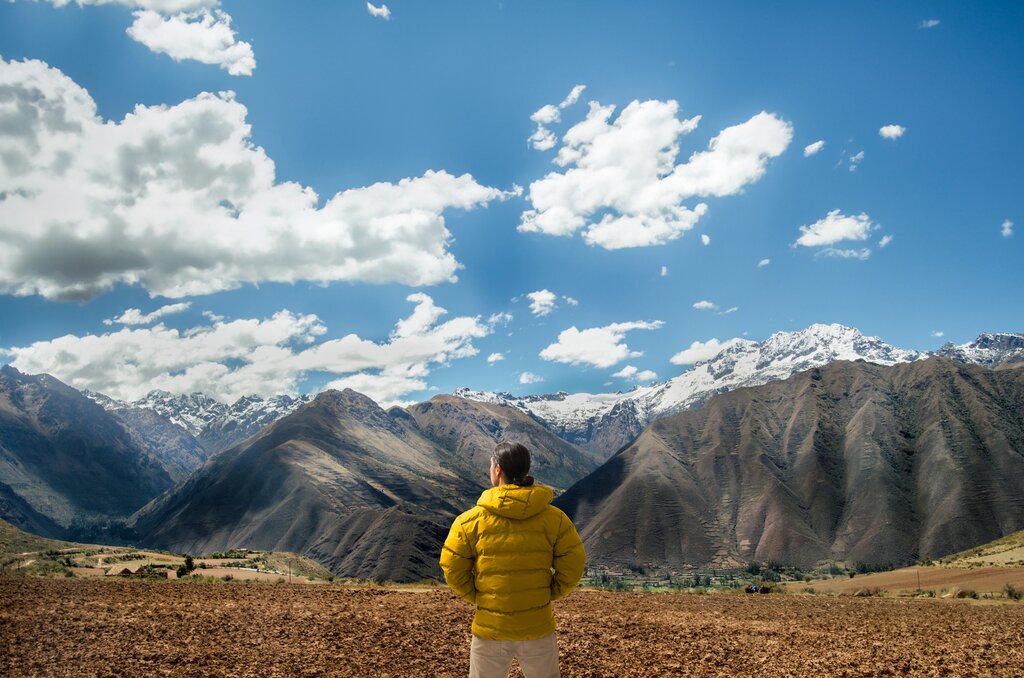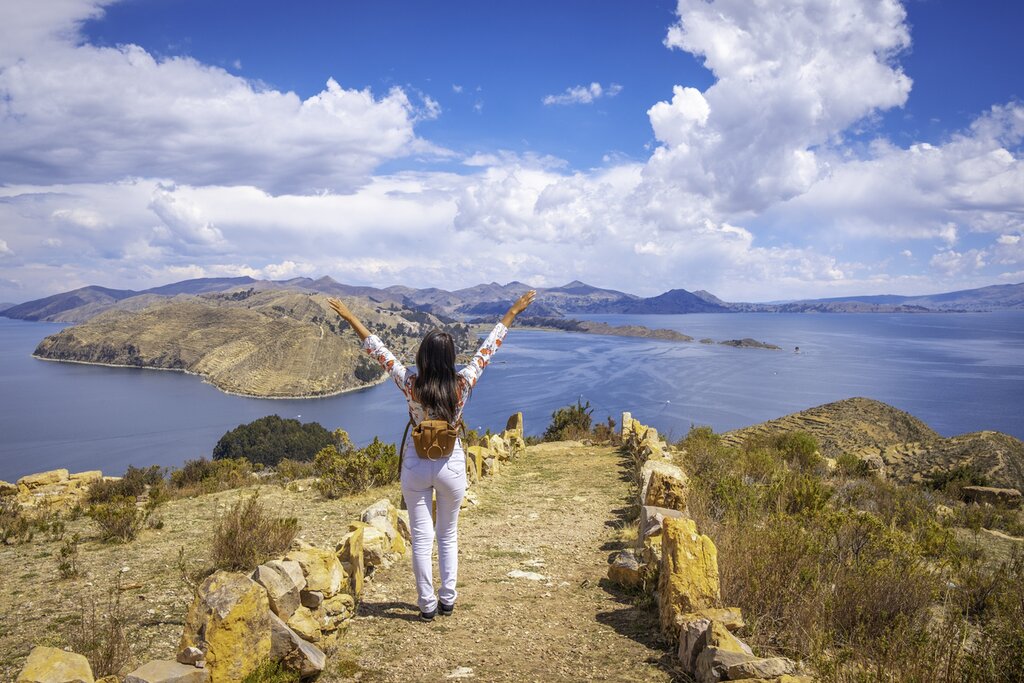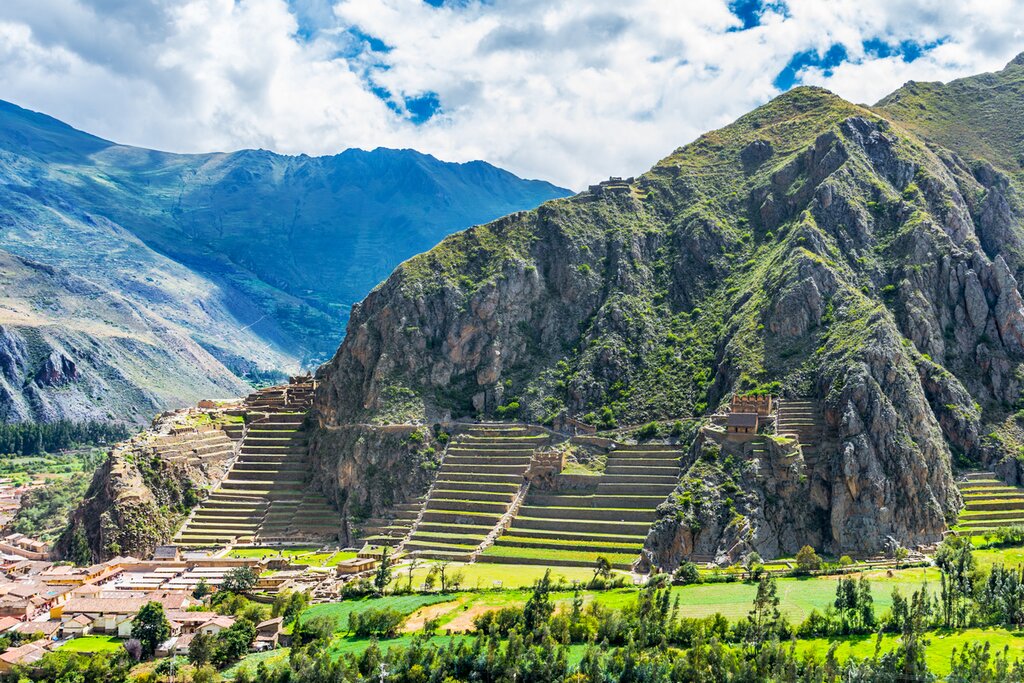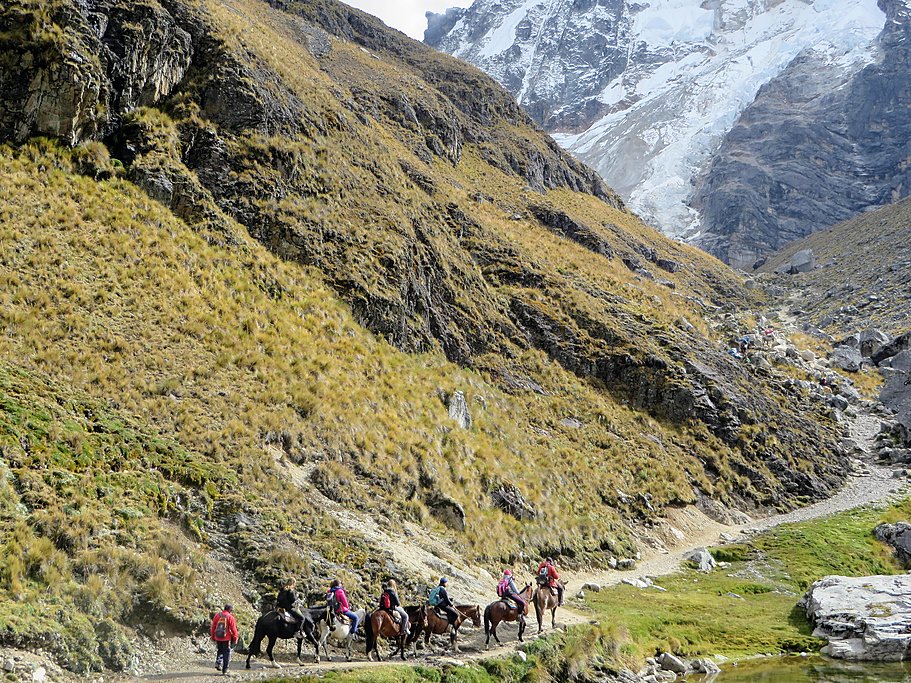
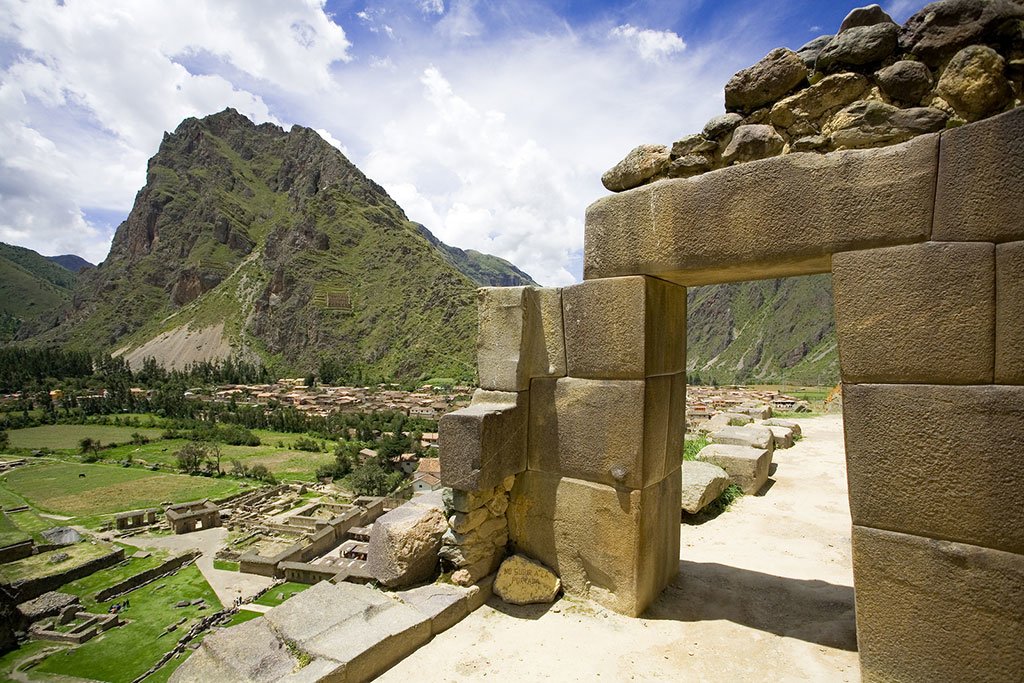
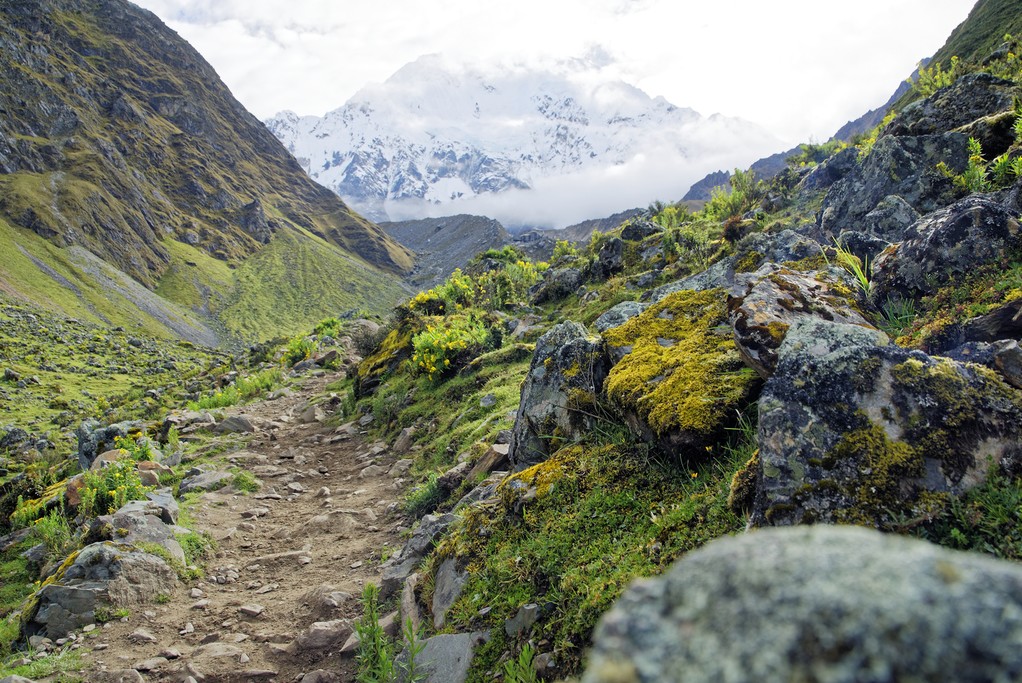
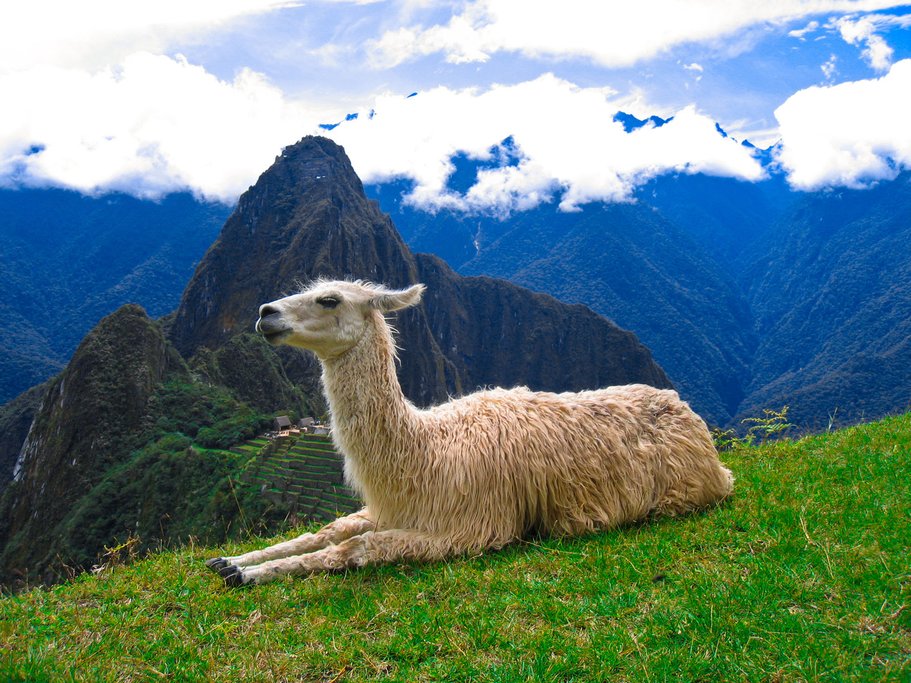
From metropolitan cities and ancient Inca ruins to remote jungle lodges, this 16-day exploration of Peru’s history and nature is perfect for the adventurous traveler. Start in Lima, Peru’s capital city, then continue to the Amazon rainforest. Spend a few days deep in the Amazon exploring the jungle and seeing rare wildlife. Next, head to the imperial Inca capital of Cusco to explore narrow cobblestone streets and 15th-century archaeological sites. Then, embark on the Salkantay Trek to get some breathtaking views of the Sacred Valley. End your trek at Machu Picchu, and spend a day immersed in the beauty and history of its ancient ruins. Reward your hard work with two relaxing days exploring the villages and historical sights of the Sacred Valley. Finally, head back to Cusco and summit the colorful Rainbow Mountain.
Highlights
- Explore metropolitan Lima and ancient Cusco
- Spot fascinating Amazonian wildlife like macaws, cayman, giant river otter, and tapir
- Challenge yourself on the Salkantay Trek to Machu Picchu
- See the famed 15th-century Machu Picchu citadel
- Summit the colorful Rainbow Mountain
- 16 Days/ 15 Nights
- January to December
- Moderate
Difficulty

Condition
Travel Program
Day 1: Arrival in Lima
¡Bienvenidos! Welcome to Lima, Peru’s largest city and central metropolitan hub, and home to one-third of the country’s population. Located at the site of a pre-Columbian indigenous Ychsma settlement, which was conquered by the Inca empire in the 15th century and later by the Spanish conquistadores, Lima has a fascinating history and a diverse mix of cultures. Amerindian, European, Afro-Peruvian, and Asian—especially Chinese and Japanese—influences make Lima a dynamic and exciting city to explore.
Lima’s breezy location on the Pacific Ocean and mild desert climate make it the perfect city for exploring on foot. Head downtown to mingle with locals, stretch your legs, and grab a bite to eat in one of the many award-winning restaurants.
Suggested activities include:
- Explore the historic center of Lima, a UNESCO World Heritage Site packed with fascinating Spanish architecture. Start with a scenic tour of the colonial downtown, which emanates from the main square. Stroll over to the 16th-century Cathedral, which took 80 years to construct and was built in the grandiose style of the Spanish Empire.
- Visit the Casa Aliaga, a colonial mansion granted by chief conquistador Francisco Pizarro to Jerónimo de Aliaga, one of his captains, in 1535. This is the only house from that era that still belongs to the same family.
- Stroll around the Pueblo Libre district to the privately owned Larco Museum of pre-Columbian art, housed in a beautifully restored viceregal mansion built over a 7th-century pre-Columbian pyramid. The museum boasts a vast pre-Colonial collection of gold and silver artifacts, as well as pieces of erotic art.
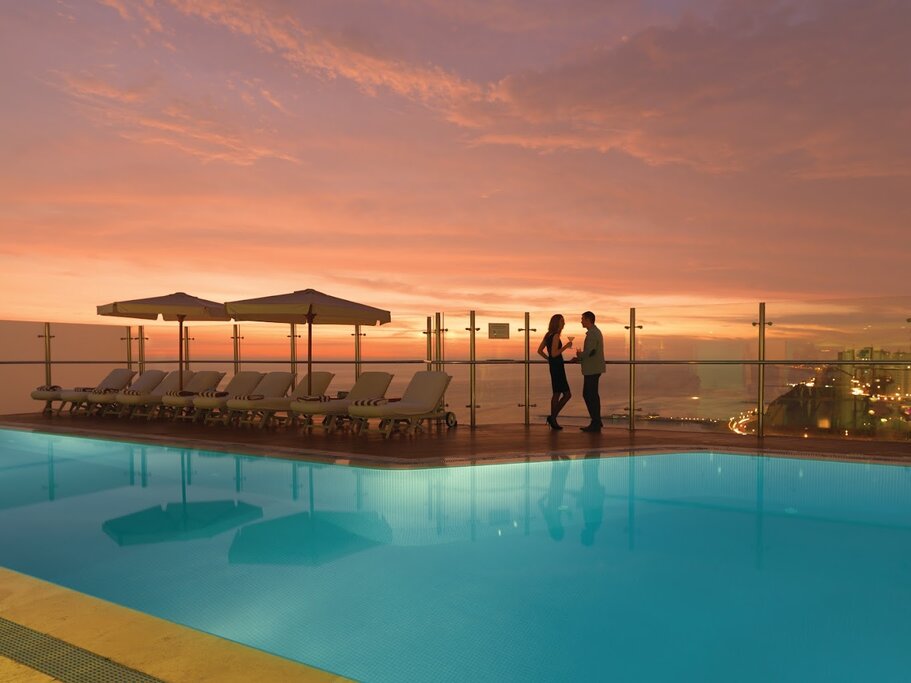
- In the evening, head to the eclectic “Love Park” in the upscale coastal district of Miraflores, where you can admire a huge kissing statue and beautiful mosaic walls. The park is built on the cliffs of Chorrillos and is a perfect place to enjoy a spectacular sunset over the Pacific.
- Enjoy a nightcap at an open-air cafe or restaurant in the diverse Miraflores neighborhood.
Day 2: Lima City & Food Tour
Spend the day discovering Lima through its food. With a vibrant combination of Indigenous American, African, Asian, and European culinary influences, Lima is one of the world’s most impressive gastronomic and cultural centers.
Start the day early in Lima’s Historical center to visit a local mercacado—a fresh food market—to taste the local produce and sample spices, fruits, and various baked bread. Taste different types of Piscos—a high proof brandy produced locally in the wine-making regions of Peru and Chile. Attend a cooking class and learn how to make ceviche, a fresh seafood dish marinated with salt and lime juice, and the traditional pisco sour—a Peruvian classic.
Stop for lunch at one of Lima’s top restaurants and enjoy a delicious meal on a patio overlooking the Pacific ocean. Stroll to the bohemian district of Barranco—a popular oceanside neighborhood for artists, tourists, and locals alike—for a relaxed afternoon drinking coffee and sampling Peruvian desserts.
Day 3: Lima - Puerto Maldonado - Corto Maltes Lodge
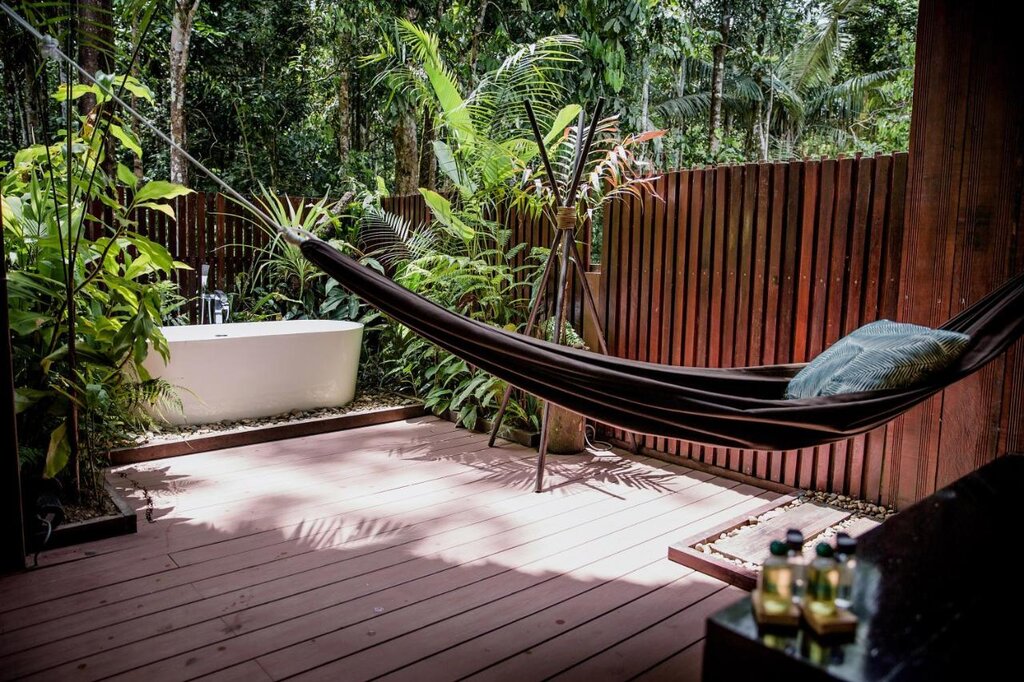
Take a short flight from Cusco to Puerto Maldonado, the gateway to the southern Amazon rainforest. Take a short motorized canoe trip down the Madre de Dios River to the Corto Maltes Lodge deep in the jungle, where you will stop for a traditional, delicious meal.
After lunch, take a walk around the trails, where you will discover and learn about the rainforest and local wildlife. At dusk navigate the river by outboard motorized canoe with a guided twilight river excursion. Learn about the Amazonian river ecosystem, nocturnal wildlife behavior, and the southern constellations.
Day 4: Wildlife Viewing at Tambopata Reserve & Lake Sandoval
Wake up early to see the macaws flock to the clay bluffs in the dawn light. After a 20-minute walk, you will reach the cliffs. Hidden from view in a concealed blind, you will see hundreds of colorful birds gather to get minerals and vitamins from the clay.
Return to the lodge for breakfast, then head back onto the Madre de Dios River for a trip to Monkey Island, a reserve dedicated to helping captive monkeys adjust back to life in the rainforest. Here, the monkeys get a chance to live free lives, away from cages and poachers.
Continue to the Tambopata National Reserve to explore Lake Sandoval. Navigate by dugout canoe across this mirror-like oxbow lake that is home to the endangered giant river otter, the blue-and-yellow macaw, the red howler monkey, the black caiman (a member of the alligator family), and one of the world’s biggest freshwater scaled fish, the paiche.
Travel by canoe back to the lodge, enjoying a stunning sunset on the water on the way.
Day 5: Native Community Visit
After breakfast, head back on the river to visit a native community. Along the way, keep an eye on the dense vegetations on the bank to spot turtles sunning themselves, caimans, and various bird.
The “Project for the Rescue of Cultural Values” supports the local native community of Palma Real. It is one of the biggest, with approximately 200 families of the Ese’eja tribe. You will visit Gamitada Island and spend the day with two families who will introduce you to the cultural values of their ancestors, their language, customs, garments, and dances. In an era of globalization where traditional societies are being pressured to change, this community visit is an opportunity to have direct contact with the local people. Bring money and peruse the local handicrafts for gifts, ensuring financial support for the families.
After, visit a chakra (local farm) to see a variety of cultivated tropical plants, such as cocoa, bananas, café, and cocona—a local fruit that is described as a cross in taste between a lemon and a tomato. Spend time talking with the chacarero, the farmer, about the growing process and taste some of the produce. Stay for a typical Amazon lunch then return to the lodge.
Enjoy a refreshing dip in the swimming pool and relax with a cocktail before dinner. Afterward, hang out in the reclining seats situated on the central terrace and enjoy the evening sky before a restful night.
Day 6: Puerto Maldonado - Cusco, Transfer to Hotel
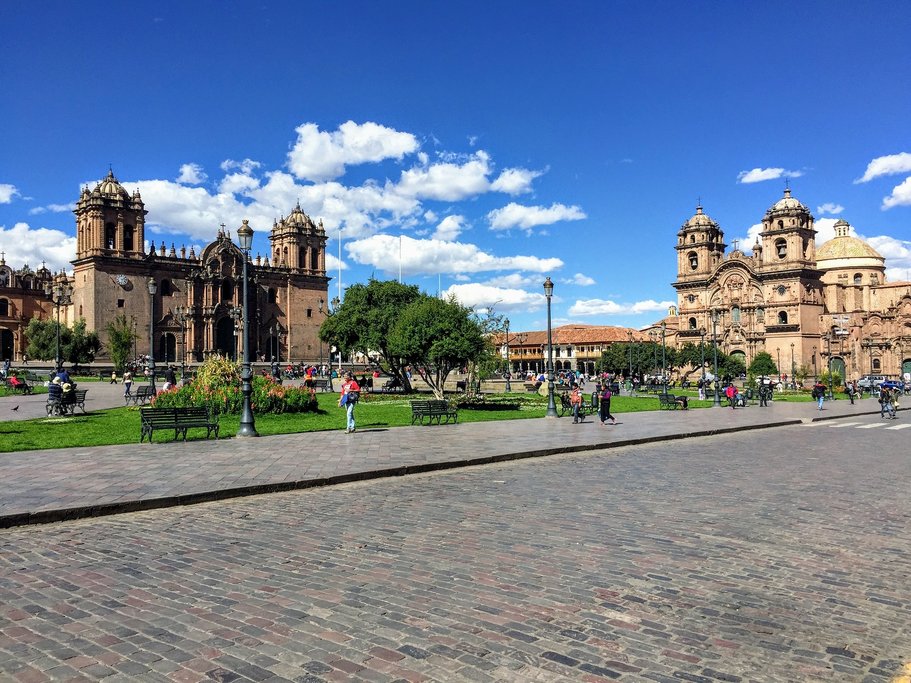
In the morning, transfer to the Puerto Maldonado airport for your flight to Cusco. This ancient city is the former capital of the Inca empire, which reigned from the 13th to 16th centuries after conquering the Killke settlement on the same location.
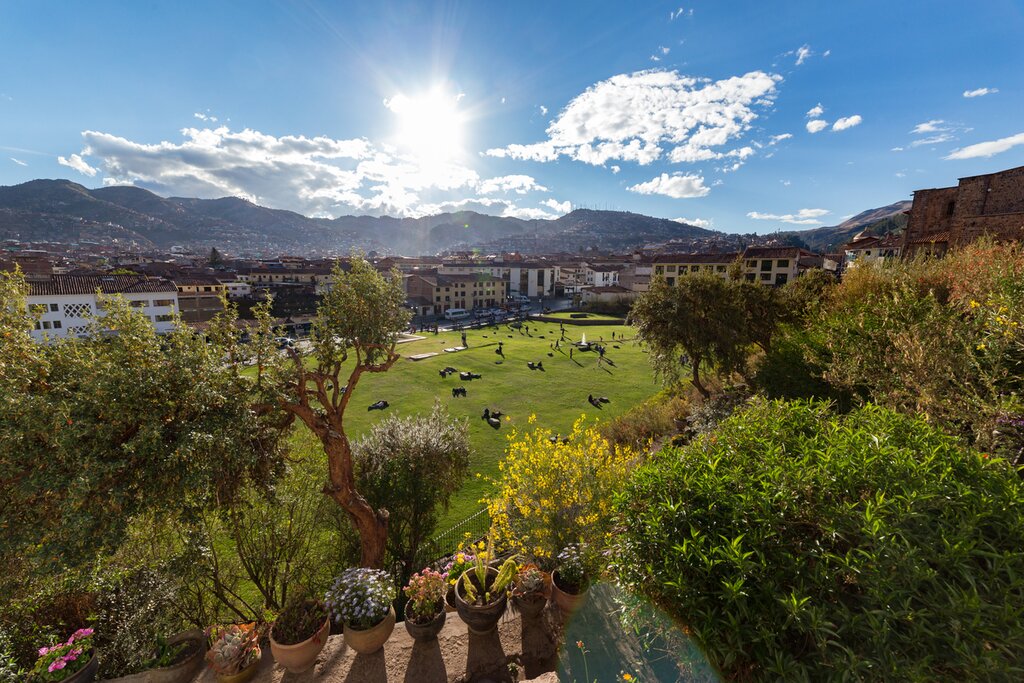
Remember: you will be 11,000 feet (3,000 m) above sea level, so take it easy and remember to drink lots of water. Since Cusco was designed by the Incas as a city for walking, start your exploration of the narrow stone alleyways on foot. Take a walk through the plaza — if the weather is beautiful, it’s a perfect place to sit on a balcony and have a cup of coca tea while adjusting to the elevation.
Day 7: Cusco City Tour
Today’s tour will begin at the local San Pedro Market. The locals shop at this market every day in order to stock up on produce and groceries making this market experience as authentic as Peru gets. The market is located indoors and includes many different food stalls and vendors. Be sure to try their endless selection of fresh fruit smoothies, which are the perfect refreshing treat.
From the market, you will head to the most important temple of the Inca Empire, the Sun Temple, known as Qoricancha. Here, you can observe detailed and intact architecture, and within the temple, you will see smaller temples dedicated to the moon, rainbow, stars, lightning, and thunder, among others.
From Qoricancha, you will walk to an important religious site called Sacsayhuaman, which features immense stones. Although the site was religious, the Spanish considered it a military fortress because of its location and the way it was built. After your tour, head back to your hotel for some rest.
Day 8: Salkantay Trek Day 1/4: Cusco to Soraypampa
Get an early start to the day with a 6:00 AM pickup from the hotel for your trip north to the town of Mollepata. Stop here for breakfast in a local cafe, then continue on the road to Soraypampa. This car trip transfer shortens your walking time by one day. Arrive in Soraypampa after a scenic 3-hour drive and break for lunch while enjoying sweeping views of Mt. Huamantay.
The Salkantay trail is a popular alternative to the highly-regulated Inca Trail and boasts stunning panoramas, remote campsites, and babbling mountain streams. Start your hike after lunch and continue for 2-3 hours before reaching your campsite at Soyrococha, located at 13,450 ft (4,100 m). Enjoy stargazing in the clear mountain air before refreshing with a good night’s sleep.
Maximum Altitude: 14,715 ft (4,485 m)
Minimum Altitude: 10,722 ft (3,268 m)
Distance Travelled: 3.10 miles (5 km)
Approximate Walking Time: 3 hrs
Day 9: Salkantay Trek Day 2/4: Soyrococha to Chaullay
Begin your second day of hiking with a 2-hour uphill trek to Nevado Salkantay Pass, which at 15,745 ft (4,800 m) is the highest point of the trek. Stop here for a quick rest and to appreciate the panoramic views of the Salkantay and Humantay glaciers. After a chance for photographs, continue downhill to Huaracmachay, where you will find a small shop and bathroom facilities. From here it’s a 2-hour trek to the neighboring villages of Colcapampa and Chaullay.
You will experience a dramatic change in vegetation as you descend from the High Puna grasslands into the cloud rainforest and bamboo stands. Camp tonight at Chaullay* and enjoy views of the Santa Teresa River and the surrounding valley.
*Alternately, you may camp at Colcapampa
Maximum Altitude: 15,340 ft (4,650 m)
Minimum Altitude: 9,372 ft (2,840 m)
Distance Traveled: 6.83 miles (11 km)
Approximate Walking Time: 7 hrs
Day 10: Salkantay Trek Day 3/4: Chaullay to Lucmabamba
Depart from your campsite in Colcapampa (or Chaullay) for another beautiful day on the trail. The third day on the trail brings a welcome break from uphill hiking, as today you will be mostly trekking downhill. As you descend to lower altitudes the temperature warms and the landscape becomes more tropical. There are many lovely spots to pause along the trail and enjoy the river that follows the trail. Enjoy the colorful variety of orchids, bromeliads, insects, and snakes as you hike. Reach the Playa campsite around lunchtime and stop to rest. From here, continue hiking to your campsite at Lucmabamba.
Optional:
Take a 45-minute car trip to the Canopy Cola de Mono in Santa Teresa, and tap into your adventurous side with a ride on the zip line in the Cola de Mono. Or visit the Colcamayo Hot Springs before returning to your campsite.
Maximum Altitude: 9,372 ft (2,840 m)
Minimum Altitude: 6,850 ft (2,088 m)
Distance Travelled: 6.21 miles (10 km)
Approximate Walking Time: 7 hrs
Day 11: Salkantay Trek Day 4/4: Lucmabamba to Aguas Calientes
Trek uphill from your campsite in Lucmabamba for 3 hours to reach the Llactapata ruins. Stop here to explore, then continue down the trail for your first views of Machu Picchu. From the top of the hike, it’s a 2-hour descent to the town of Hidroeléctrica.
From Hidroeléctrica you can walk along the train tracks for 2 hours to reach the town of Aguas Calientes, or take the half-hour train trip. When you reach Aguas Calientes, check into your hotel and enjoy a celebratory dinner followed by a relaxing soak in the hot springs. Get a good nights rest for tomorrow’s adventure—visiting Machu Picchu!
Maximum Altitude: 9,240 ft (2800 m)
Minimum Altitude: 6,233 ft (1900 m)
Distance Travelled: 5.59 miles (9 km)
Approximate Walking Time: 7 hrs
Day 12: Machu Picchu Excursion: Aguas Calientes - Machu Picchu - Ollantaytambo
Get an early start to beat the crowds and get the best views of the ancient ruins. from Aguas Calientes, it’s an easy 25-minute bus ride up to the Machu Picchu ruins.
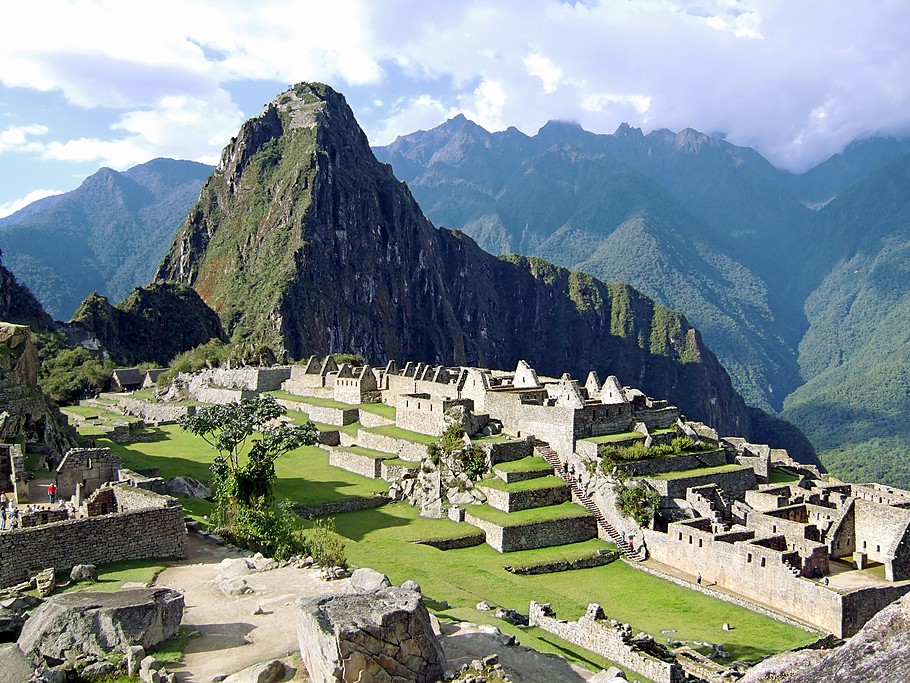
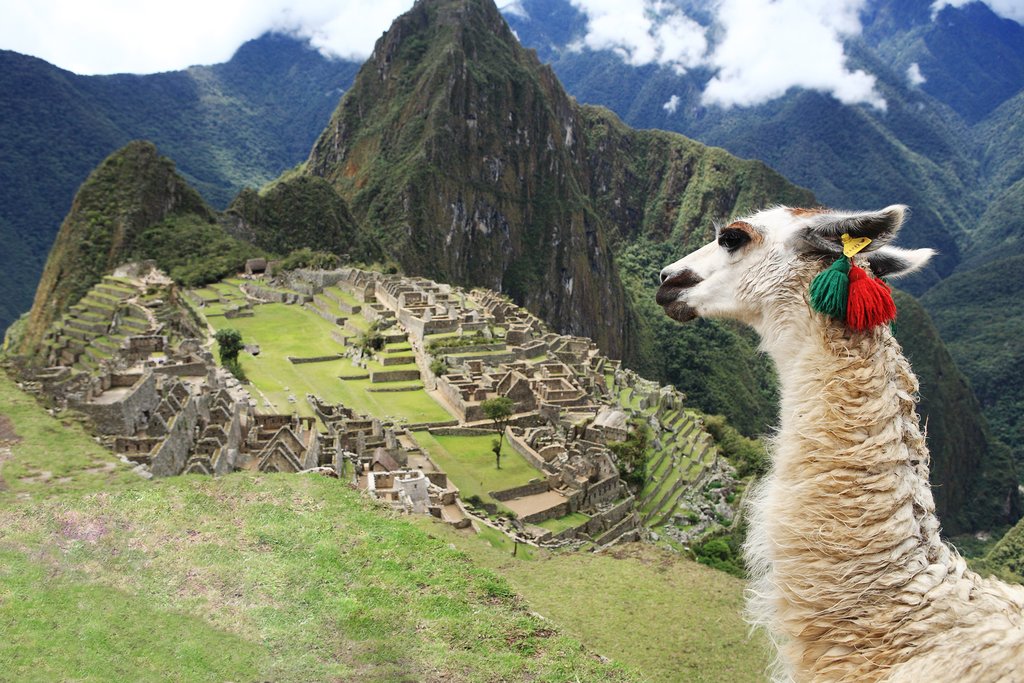
This 15th-century Inca citadel is located at 7,970ft (2,430 m) and is a masterpiece of engineering that served as a sanctuary and retreat for the Incan Emperor Pachacutec and his royal court. Machu Picchu, which means “Old Mountain,” is considered a World Heritage Site by UNESCO and is one of the new Seven Wonders of the World.
Built as a seasonal residence for the Inca family, Machu Picchu was rarely home to more than 800 people, and during the royals’ absence, a mere 100 servants would remain at the site to maintain the grounds. Machu Picchu was abandoned 100 years after construction due to the Spanish conquest and remained largely hidden to the outside world until the early 20th century.
Your guide will lead you around the site and explain the different buildings and curious corners of the building complex. Approximately one-third of the site has been reconstructed into its original structure, giving visitors a sense for the grandeur and artistry of the original citadel.
After the tour, take the bus back to Aguas Calientes for lunch and then board the train to Ollantaytambo. Upon arrival in Ollantaytambo, transfer to your hotel and enjoy a relaxing evening in the Sacred Valley.
Day 13: Maras & Moray Tour: Ollantaytambo - Urubamba
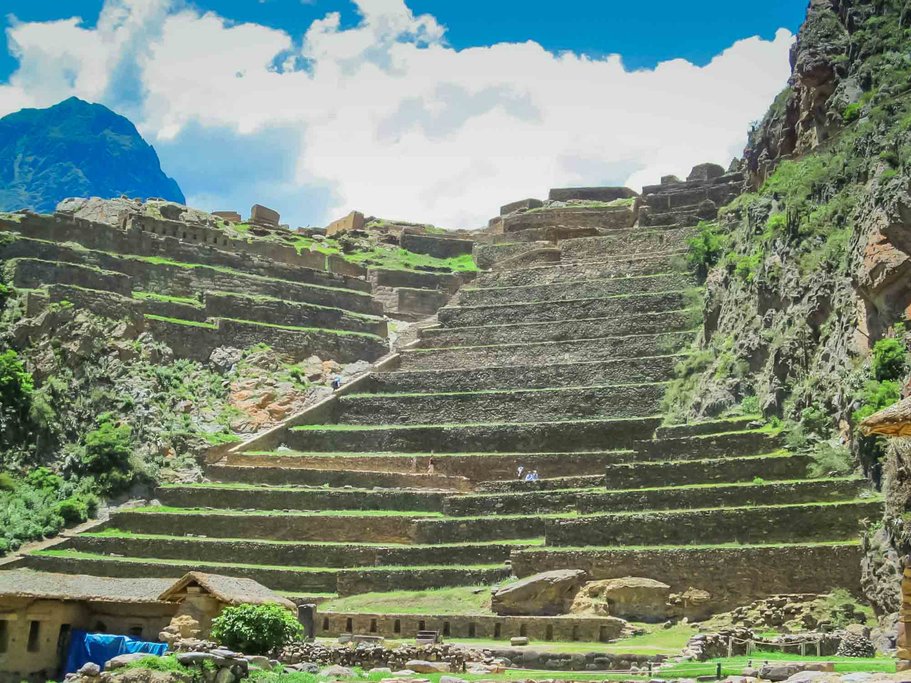
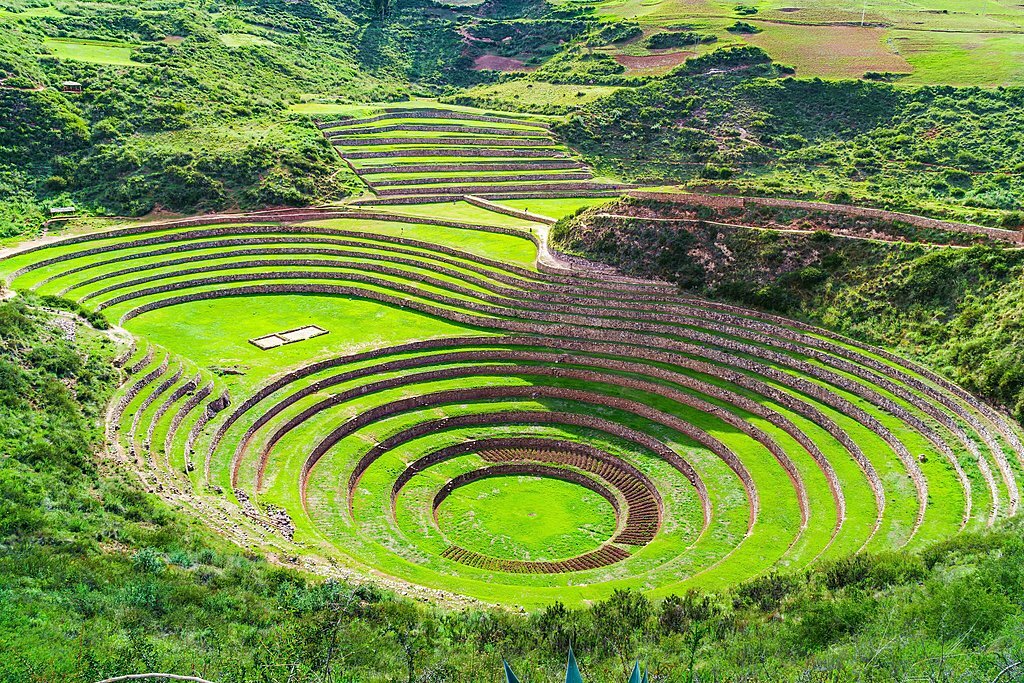
This morning, you’ll depart from your hotel in Ollantaytambo for your journey to Moray. Along the way, you’ll enjoy views of the Andes’ snow-capped peaks, lush yellow fields of wheat, and small villages. Upon arrival in Moray, you’ll see the three famous amphitheater-like terraces made by the Incas. These terraces are carved deep into the earth in the shape of a bowl. It is believed that the Incas once used these terraces as agricultural laboratories to determine the optimal conditions for growing crops.
When you are done exploring Moray, you will head about two miles away, to the salt mines of Maras. This village is known as a former salt-producing center and is thought to date back to pre-Incan times. There are over 3,000 salt pools carved into the mountainside, that are filled daily by a stream of water. This spectacular area is perfect for you if you wish to see something different than the ruins.
After exploring Maras, you’ll travel to Urubamba and check in to your hotel.
Day 14: Sacred Valley Tour: Urubamba - Pisac - Chinchero - Cusco
You will be picked up from your hotel in Urubamba to begin your second day adventure in the Sacred Valley.
First, you will head to one of the most important archaeological sites in the region, Pisac, to see Inca burial grounds, ancient irrigation systems and religious centers. Upon arriving in Pisac, visit its ruins and terraces, then head down the valley to the visit the town. Here, you’ll walk through the cobblestoned streets to the plaza to see locals selling produce and souvenirs in their stands. You will have some free time to browse and do some shopping.
After exploring Pisac, travel to the Awanakancha Llama Sanctuary where you will see llamas, alpacas and a weaving demonstration. After, you will head to Chinchero, the small rustic Andean town where you will get to explore the ruins before making your way back to Cusco.
Day 15: Rainbow Mountain (Mount Vinicunca) Hike
Today will begin with an early pick-up from your hotel in Cusco for the 3.5-hour drive to the start of the trek.
When we reach the trailhead, we’ll enjoy some breakfast before starting the hike. After breakfast, we will begin the hike from Chillca, at 3,700 m/12,139 ft elevation. From here, it will be a 4-hour, uphill hike to reach the famous Rainbow Mountain.
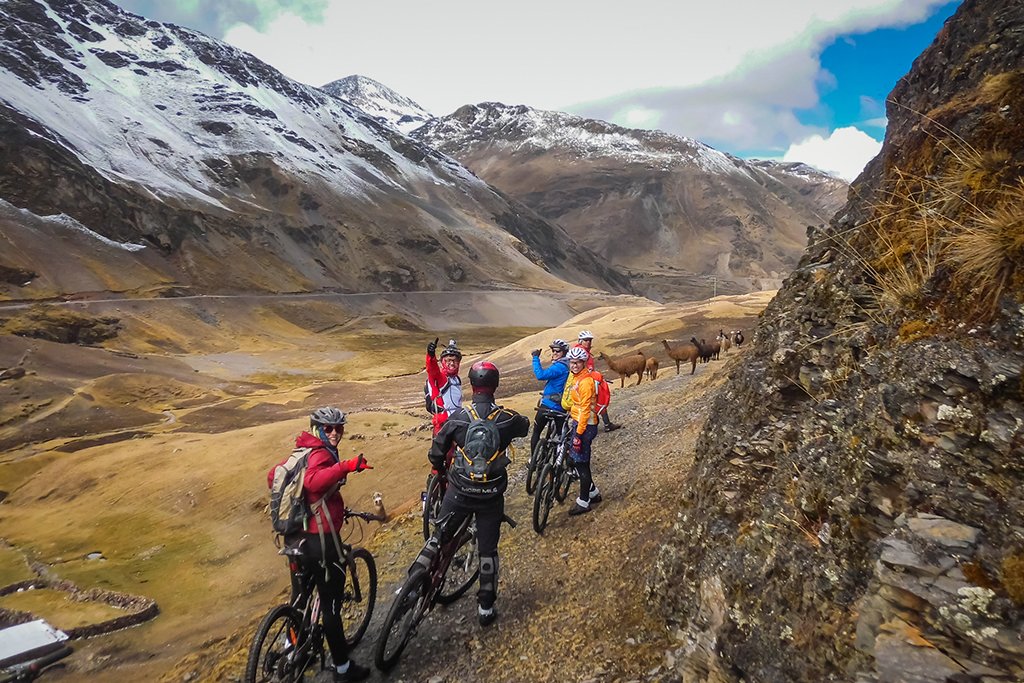
Along the way, you will enjoy amazing views of the Andes, glacial peaks, red mountains, rocky hills, along with llamas and alpacas grazing along the valley. Once you arrive at the top of Rainbow Mountain, you will have enough time to absorb the majesty of the red mountains that surround this area. You will also see amazing views of the valleys and Ausangate Glacier Peak in front of you. Ausangate is the tallest mountain of the Cusco region (just under 21,000 ft elevation) and is part of the Cordillera Vilcanota Range.
After taking in the view, we’ll descend back to our car and driver for the drive back to our hotel in Cusco.
Day 16: Departing Cusco
Today is your last day in Peru! You will be met at your hotel for a transfer to Cusco Airport, where you will transfer to your homeward-bound flight. ¡Buen viaje!
Included meals: B=breakfast; L=lunch; D=dinner
What's Included
Included
- English- and Spanish-speaking guide
- Entrance tickets as per itinerary
- Accommodation
- Trekking staff (if applicable)
- Camping equipment (if applicable)
- Meals as specified in the itinerary
- Transportation as per itinerary
- Airport transfers (if specified)
Not included
- International or domestic flights
- Travel insurance
- Tips
- Personal expenses
- Optional tours or additional entrance tickets
- Personal equipment
What to Bring
What to Bring or take fo Day Hiking and Technical Equipment for Climbing Expedition
This equipment list is compiled to provide you with adequate help when choosing your equipment for a climb. Most items are required. Please consider each of them and make sure you understand the function and exclusive use for mountaineering, before substituting or removing items from this list. Please note that this list has been carefully annotated by the organizer. Remember that mountaineering, climbing or mountain expeditions tours is an extreme, risky sport, therefore everything related to it is of great attention.
Equipment Trekking
 Hiking backpack for hiking 50 to 60 liters
Light gloves for hiking or (Optional Mittens waterproof)
Medium weight socks
Sleeping bag (-15º to 20ºC)
Small daypack for one day hiking 30 liters
Weather-appropriate clothing (think moisture-wicking and layers)
Hiking boots or shoes
Medium weight parka with fibber fill or down
Rain poncho (or rain gear)
Long-sleeved shirts
Fleece or Wool sweater and/or trousers
Lightweight pants
Cotton short-sleeved shirts or t-shirts
Water bottle for hiking or trekking
Strong waterproof duffel bag
Flashlight with spare batteries and bulb
Towel for personal hygiene each participantFirst-aid kit
Regular and long underwear
Knife or multi-tool
Light cap and wool hat
Sunglasses with UV certification, Sun block, lips
The rest of the list Essentials as appropriate for your hike
Grooming and personal hygiene kit
One Hiking Buff per person
Equipment Mountain
3 Locking carabiners, we recommended per person
We recommend 2 ice screws for each client
1 Daisy Chain (Life Line) per each person
2 Ice axes (per person) technical, we recommended GRIVEL company
1 ATC descender (Rappel), this is very necessary for technical mountains
2 Cords for prusik, very important (Size Cord 6 mm x 10 m. long)
Gloves(Good gloves) for expeditions over 6000meters
Harness for climbing
Sleeping pad / Mattress, we recommend with air or inflatable mattress
Crampons, we recommended GRIVEL company
Walking sticks – Trekking Poles (optional), a pair per person, we recommended GRIVEL company
Down Jacket for expedition
Very important to have personal clothing such as pants and jacket with GOROTEX certification
First aid kit, for high mountains, because we as guides cannot medicate clients
Backpack Capacity 60 liters, it is better to have a bigger backpack to go comfortably to the high camps, because here you have to carry all your personal things
Gaiters or Leggings, now modern boots already have built-in (Incorporated), but better to have an extra pair
Dressing appropriately for the mountains can make the difference between a pleasant trip and a really uncomfortable one. Clothing must provide the right degree of temperature, perspiration and be well ventilated. Preferably cotton clothing should be avoided, as in humid conditions they absorb body heat.
In general, the weather conditions in in the Andes of South America can vary from day to day and even throughout the day. Therefore, clothing must be versatile.
Please do not hesitate to contact us with any questions you may have regarding the necessary equipment.
Prices & Dates
FROM/TO
PRICE (USD)
TRAVEL STATUS
- Single Supplement (I want my own room and tent) – $000 on request.
Please note: Insurance for emergency evacuation is required for this trip. Call for more details.
» Additional dates available upon request
» Rates may vary from July 26th to 31th for the national holidays
Prices (per person):
| 1 PAX | 2 PAX | 4 PAX | 6 PAX | 8 PAX | 10 PAX | 12 PAX | 14 PAX |
|---|---|---|---|---|---|---|---|
| — USD | — USD | — USD | — USD | — USD | — USD | — USD | — USD |
Deposit for reservations
— USD (– EUR) ✓ Full payment 40 days before. No refund if you cancel less than 30 days!
Places:  *Available
Trip-code: Number ►BOL-000
Duration: 1 day
Participants: Minimal: 2 Maximal: 15
Members: We don’t have an open group to join – We can open a new group – Contact us!
Country / Location: Bolivia
Mountain Guide: Eric Raul Albino Lliuya
Other dates / additional info: Contact us!
3% early bird discount when booking 6 months prior to departure 2024
Legend Booking-information:
EZZ Single room supplement
🟢 On this trip, places are still available.
🟡 On this trip, only a few places left.
🔴 This trip is sold out / closed.
Eric Raul Albino Lliuya
Expert guide certified by AGOMP
General Sales Manager of Peru Expeditions
- WhatsApp: +51 943 081 066
- E-Mail: office@peru-expeditions.org
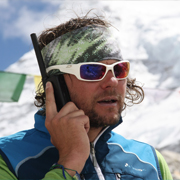
Hans Honold | Certified Mountain and Ski Guide
For a trip with a Professional Certified Mountain Guide from abroad with your own language that you speak, please request us to get in touch. We have guides working for our company from all over the world who are members of IVBV/UIAGM/IFMGA Certified Guides.
- Tel: +49(0)7344 929144-0
It is very important to have accident coverage for trekking and climbing mountains, more if you go a technical mountains over 6 thousand meters, we oblige and recommend buying travel insurance with our partner Global Rescue, you get the peace of mind that the finest medical, security evacuation, field rescue, intelligence and telehealth.
- Tel: +1 (617) 459-4200
Only $1000 deposit to book
Pay over time, interest free
No booking fee, no change fee
24/7 support
Accommodations
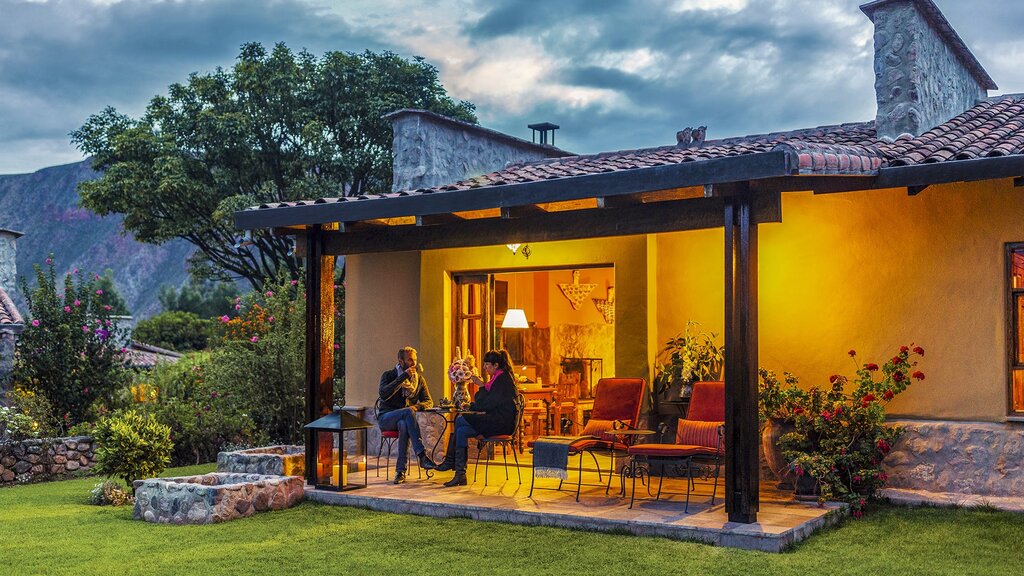
Scroll through our exclusive accommodations for this trip below. Although very unlikely, we will be able to make substitutions when necessary. The comfortable accommodations that guests stay in every night offer comfort, the level that these options are are 3 stars and some hostels in some towns of first class quality to make your stay very pleasant.
*These exact accommodations are not guaranteed. In some cases, alternative accommodation of similar quality and location can be used.
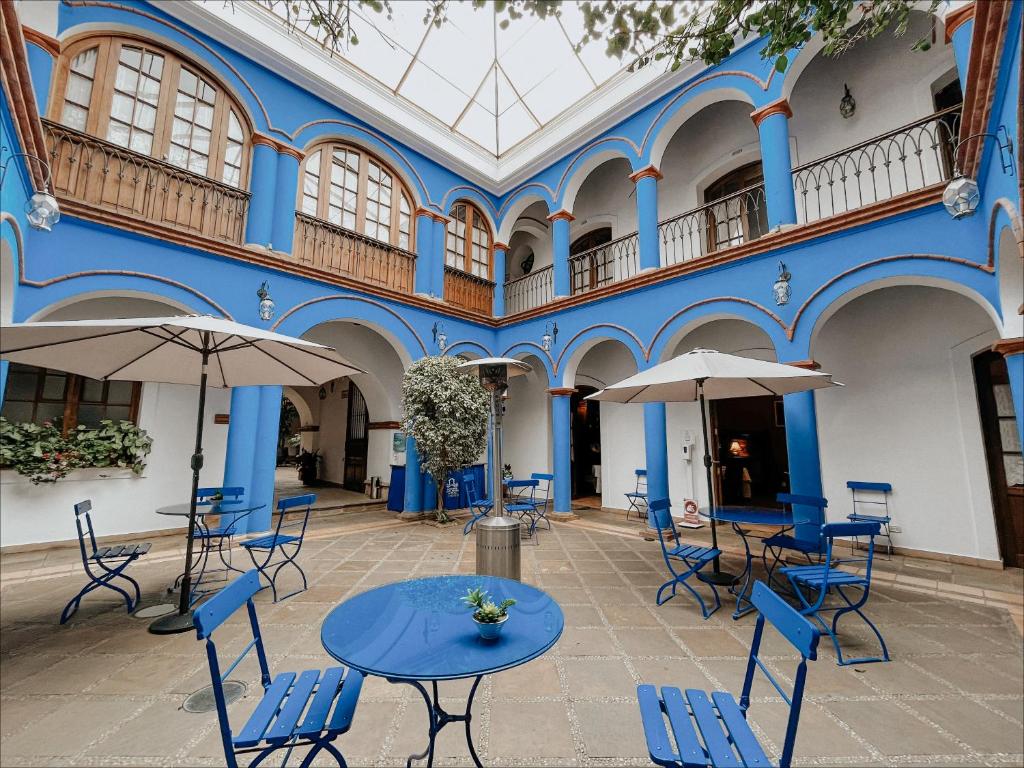
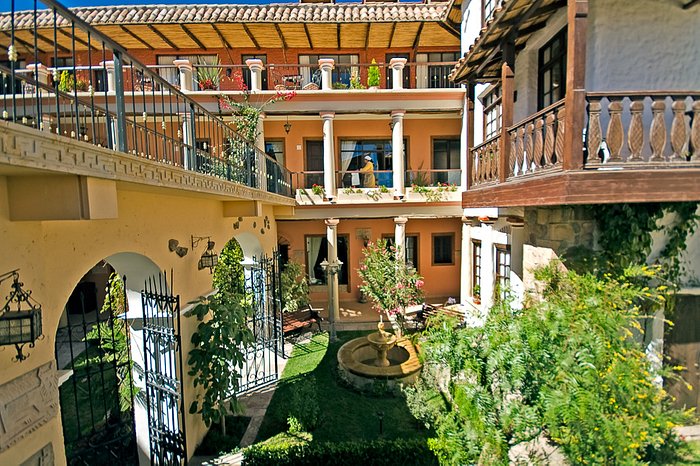
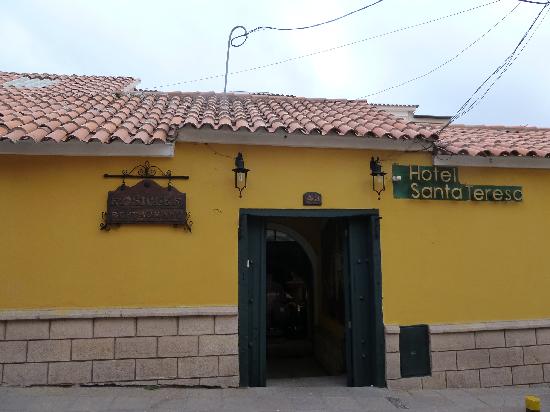
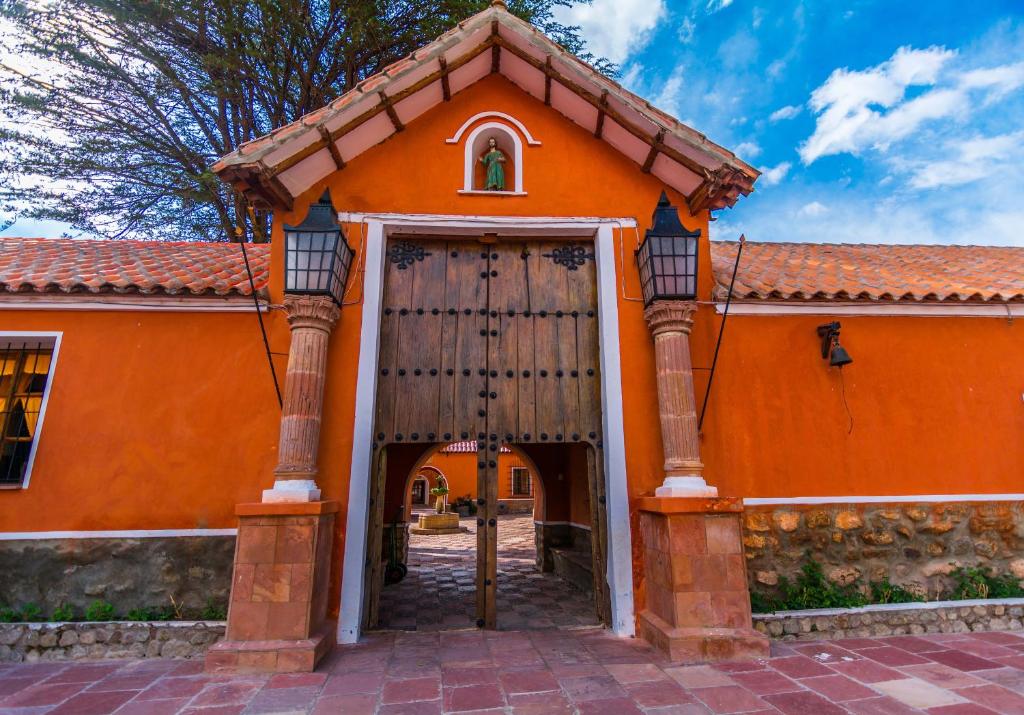
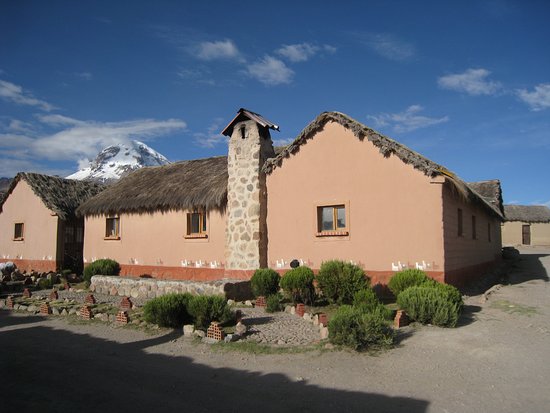
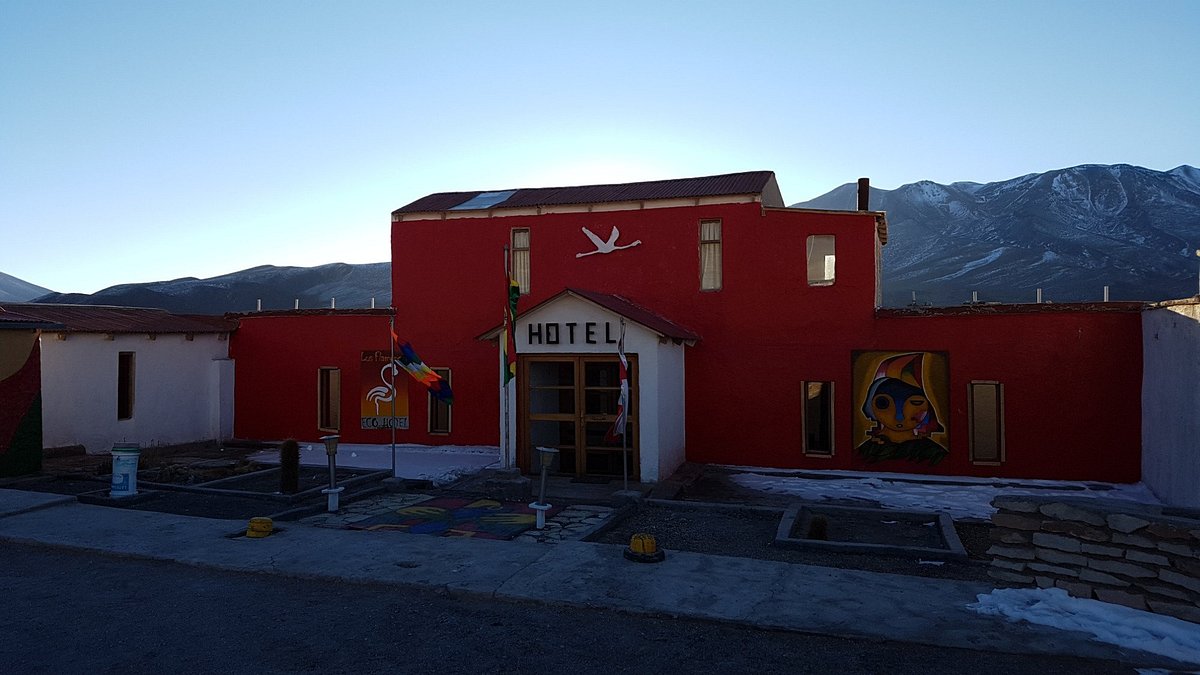
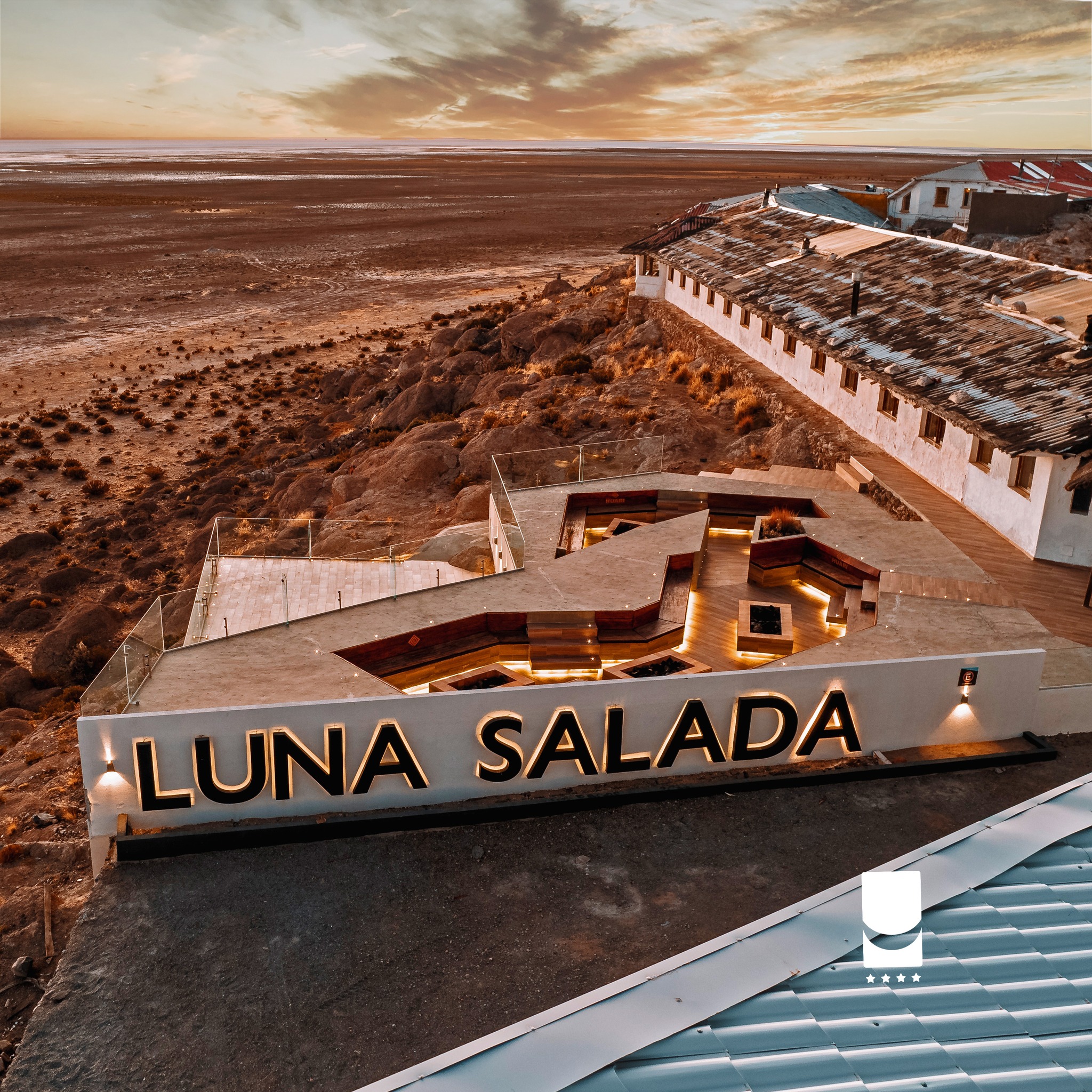
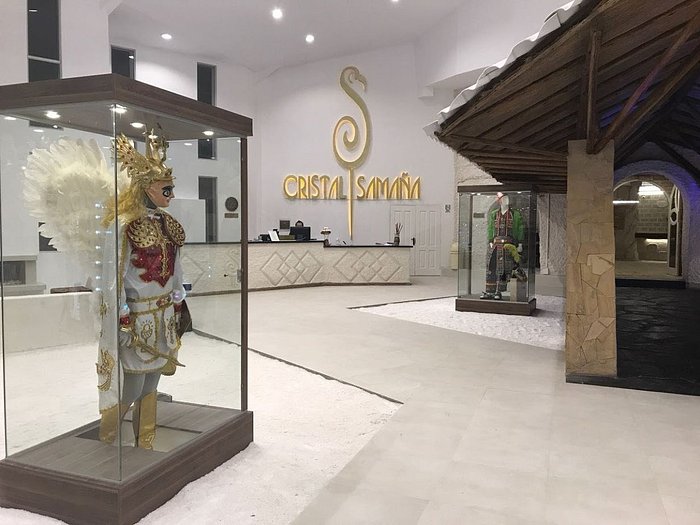
Albergue Ecológico Tomarapi
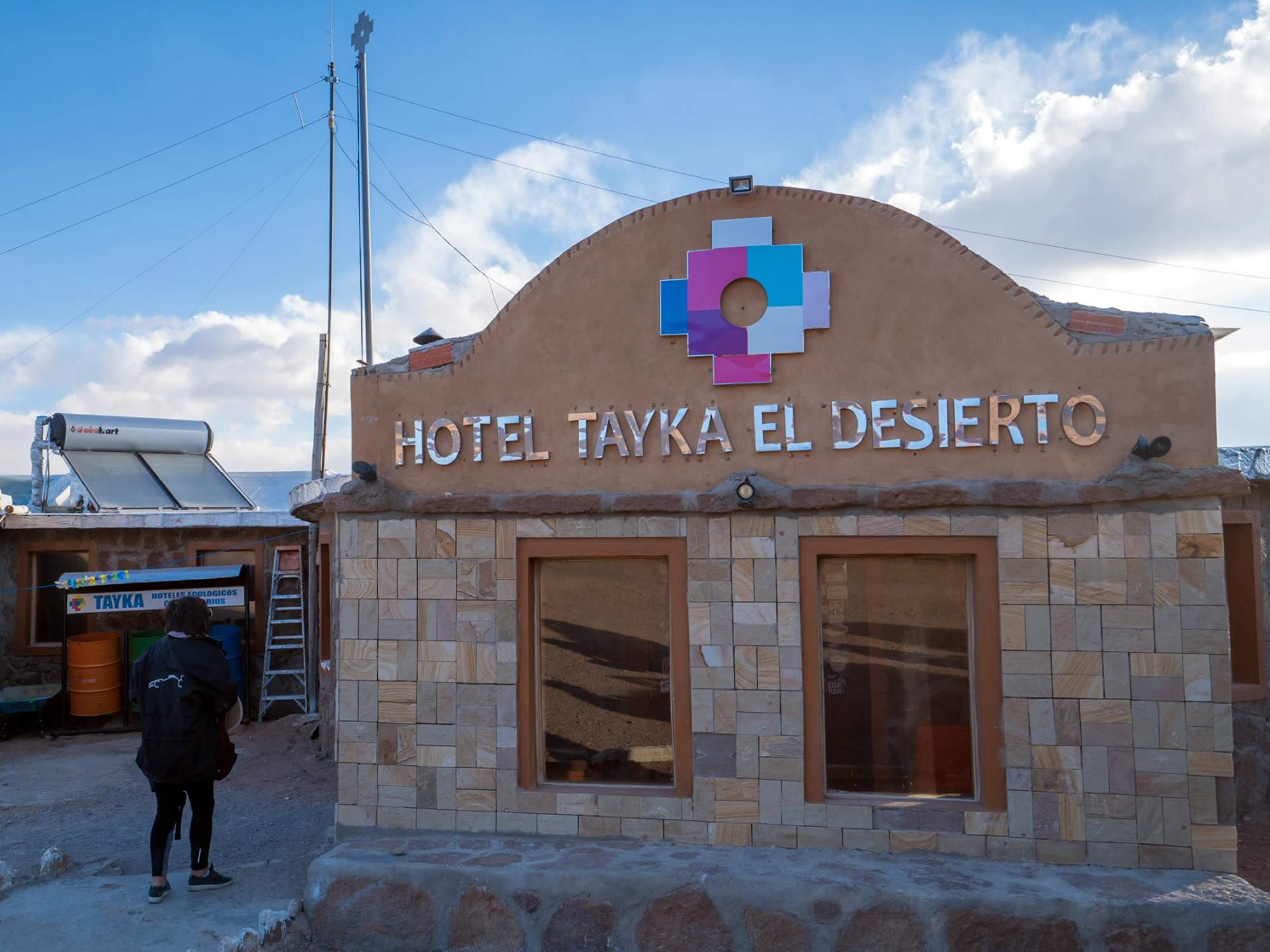
Hoteles Taykas
Videos
Frequently Asked Questions
What our travelers or clients always ask questions before joining our trips, tours & expeditions, read all the information provided here.
Suggested FAQs
What experience and how fit do I need to be to climb this mountain? Is this program suitable for children or older people?
For our mountain climbing trips: If they are easily accessible mountains: For easy-climb mountains, well, you don’t need much experience, but if you already want to climb mountains above 6,000 meters and the conditions become more difficult, we recommend if you already want to go through mountains above 6,000 meters, have a basic or intermediate course for a good preparation. It is very important to be physically, technically and psychologically prepared.
Regarding the preparation of children: Everything will depend on which mountain you want to climb with your children, once you are clear on which of our tours or mountains you want to go with your children, we can give you some advice or see how to prepare them before going with they.
Regarding older people: It all depends on the condition of experience and how well the person is in health, on many occasions older people are the best to walk in the mountains because they have more experience, so it is always good to ask and find out about their experience of older participant. If you have any other questions, please contact us. For calls or inquiries to this number: +51 943 081 066
Will I need to bring any technical equipment of my own? Is it possible to rent equipment, and if so, what would be the approximate cost of that?
In all our trekking or mountaineering trips we do not include personal equipment in our prices, so you have to have your own equipment: Personal equipment (such as boots, ice ax, crampons, harness, sleeping bag, mat, Goretex, etc. ) and also within each page of the trips that we sell is a small list so you can see it on our website.
Our company can also rent the materials that you would need for your trip, see the list here on our website: https://peru-expeditions.org/equipment-rental/ . For calls or inquiries to this number: +51 943 081 066
Are there any other special requirements such as permits/insurance/vaccines that I need to consider before the tour?
Safe and effective vaccines are available that provide strong protection against serious illness, hospitalization and death from COVID-19. Billions of people have been vaccinated against COVID-19. Getting vaccinated is one of the most important things you can do to protect yourself against COVID-19, help end the pandemic and stop new variants emerging.
We also recommend having accident insurance, we always recommend. We are Partners –Global Rescue. If you have any other questions about the trip we can schedule a date for a calling via WhatsApp. For calls or inquiries to this number: +51 943 081 066
What experience do I need to have? How fit do I need to be? Is this program suitable for children or older people?
To do long-distance hiking you need to at least train or do some tours such as visiting lagoons to get the experience and feel comfortable with what you do, it is always good before doing a long-distance hiking tour to test yourself so as not to be with the problems of altitude sickness during the trekking, and if you travel with children it is good to first train them before taking them, if they are accompanied by an adult of legal age, they must do a good acclimatization before going on the long-distance tour or with high altitude camps If you want to know or learn more advice, we can schedule a call via WhatsApp to clarify your doubts. For calls or inquiries to this number: +51 943 081 066
How far in advance should I start training and what kind of training do you suggest?
The preparation is according to what type and what technical level you want to go and climb a trek or mountain, the preparation will always gain experience little by little.
For this type of demanding or technical climbing sports, it is recommended to do some summits above 5 thousand meters beforehand and have good knowledge of high mountain technical equipment such as the use of technical ice axes, ice screws, correct use of crampons, and of course all the technical material. For more information, we can schedule an appointment to be able to explain in more detail everything about the mountain equipment and the preparations prior to joining our outings. For calls or inquiries to this number: +51 943 081 066
What is the average distance and altitude gain that we will hike each day?
Every day we have active walks around approximately 4, to 5 sometimes 6 hours of walking, everything is according to your pace and physical condition of each person, in each of our travel programs you will find more detailed information, and if If you need more information about each day of the travel program, we can schedule a call via WhatsApp to clarify your doubts or questions, for this please contact us. For calls or inquiries to this number: +51 943 081 066
Will there be porters to help to carry group and personal equipment?
In our trips, either hiking or mountaineering: Depending on the type or destination of the trip that you are going to book, in some parts of the treks you go with mules or donkeys or sometimes with horses, and within the mountain trips, the approach camps are also They go with mules or donkeys, but there are some stretches where pack animals can no longer reach. In this part, our logistics is fully supported by the porters.
Who are the porters? They are people from the area who were born and live in the heights of the towns, they are very strong and are very acclimatized, the reason is that after the tourist season ends they dedicate themselves to agriculture and livestock for that reason they are people They are used to the altitude and have lived in nature all their lives and they are happy to be in the mountains together with our expeditions. For calls or inquiries to this number: +51 943 081 066
How will accommodation and meals be handled during the trek?
About accommodation or meals during the tour: Well, depending on the type of tour, when the tour is a classic cultural tour or a city tour, we eat during the route in tourist restaurants and sleep in category hotels that the client has requested.
If the tour is with camps and trekking: During the activity, logistics we include the service of Breakfast, Lunch, and Dinner with traditional and typical meals of the region where you are going to travel with us, during the night we stay in tents, and we have a special tent for the kitchen and another for the dining room.
If the trip is at altitude or in the mountains: We bring special high mountain food, It are quicker meals to cook and we provide complete logistics such as Breakfast, Lunch and Dinner, and we sleep in special 4-season high mountain tents, with the best tents. If you have any questions or concerns, we can schedule an appointment via Whatsapp to clarify all your doubts and give you better information so that your trip is an unforgettable tour.
What is the guide-to-client ratio to climb this mountain?
In mountains above 5000 meters: A local guide takes a maximum of 3 clients = Ratio 3pax = 1 local guide
In technical mountains: In large-big mountains we manage the travel policy, a guide and a maximum of 2 clients = Ratio 3pax = 1 local guide. For calls or inquiries to this number: +51 943 081 066
What is the best time of the year to climb this mountain?
For all the trips that we offer within our main tourist destinations such as South America and Central America, also including the ascent of the 7 continents and the 7 highest peaks of each continent, on each page of our website for each trip we indicate that month or what season to travel, then please read the information you find in our travel offers for each tour. If you have any other questions you can contact us by WhatsApp with one of our travel experts. Thank you so much. For calls or inquiries to this number: +51 943 081 066
Do I have what it takes to succeed on this expedition?
In the interest of the team’s enjoyment and success, we work with every single guest to ensure they are properly prepared and ready for this expedition. We pride ourselves on vetting every member to make sure that the team can bond and succeed together. It really sucks to be grouped with members that are much faster, or much slower, than you are. No one wants to the weakest link on a trip like this. By setting expectations and a solid training plan, we work to insure maximum cohesive success. Use this trip as an exercise motivator, and we will succeed together with style.
How can I get to the trailhead/meeting point?
For the pick-ups of each trip, depending on the place or the trip that you are going to make with us, the meeting point is always at our office, in one of our trips we pick you up where you are staying or staying, or in some cases a A representative of our company will pick you up and then ship you to your transport to continue with your destination of the tour or trip you have booked with us. If you wish to request more information, do not hesitate to contact us. For calls or inquiries to this number: +51 943 081 066
What is the best time of the year for this hike?
For all the trips that we offer within our main tourist destinations such as South America and Central America, also including the ascent of the 7 continents and the 7 highest peaks of each continent, on each page of our website for each trip we indicate that month or what season to travel, then please read the information you find in our travel offers for each tour. If you have any other questions you can contact us by WhatsApp with one of our travel experts. Thank you so much. For calls or inquiries to this number: +51 943 081 066
What happens in the event of bad weather?
About the meteorological conditions of the climate, we try to organize the trips of each tour in the best season to have the best views and enjoy the selected trip but sometimes even is good season we can have bad weather, in this case on hiking or treks trips The complications are minimal, but when this happens during high-altitude climbing expeditions, the complications can become very difficult, that is why the bosses or leaders of the local guides must always make the most correct decision for the safety of our passengers, so we always recommend listening to the best advice from the local guide assigned for each tour. If you have any other questions please contact us. For calls or inquiries to this number: +51 943 081 066
Can I join a group?
We as a local company and connoisseurs of tours have departures on different dates. The best thing to do is to join a travel group to take care of your budget, and of course you can join our groups, but on trips like mountaineering we recommend going in small groups. To join a group, ask us for the dates and we will send you the necessary information to be able to join any of our trips.
Why go in a private trip: For trips whether trekking or high mountains, going privately is the most recommended option, but the costs are more expensive. So, if one joins a group, the prices will be more reasonable. In the mountains, the only disadvantage is if you are in a wall with another partner and if one of the participants gets tired or gets sick. In this case, you have to abort or cancel the summit and return together. For more information, contact us. We can schedule a call via WhatsApp to clarify all your questions.
In a mountain, for example, if 3 people go and one of the participants falls ill on the route, for security reasons they have to cancel or abort the summit or return all together. The same in a technical mountain if the climbing partner gets sick they all have to return, for these reasons sometimes it is better to go private only because for a single person the costs are more expensive for the same reason that the trip would already be private .
For more information please contact us. For calls or inquiries to this number: +51 943 081 066
 The company Peru Expeditions Tours has the most experience in organizing commercial ascents and complex high-altitude expeditions.
  We have the most experienced and qualified guides for cultural trip, climbing tours, MTB tours, Ski tours, including famous climbers.
 We always give away team jerseys-T-shits, buffs, or a cap as a gift
 Good own personal tents to live in height and special big tents to dine inside the trekking or mountain.
 The highest percentage of successful ascents.
 We provide the best living and eating conditions. We take into account the peculiarities of nutrition (you can order a vegetarian menu).
 Free conferences in the office with own videos material and photographs