

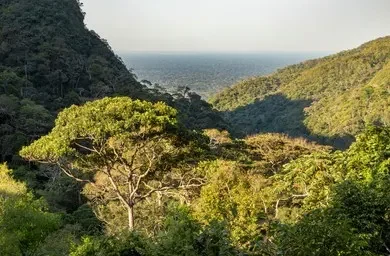

- 18 Days/ 17 Night
- January to December
- Moderate
Difficulty

Condition
Travel Program
Day 1: Fly from Santa Cruz to Sucre
This morning you’ll head to the airport for your hour-long flight to Sucre where you’ll transfer from the airport to the heart of this UNESCO-protected colonial city. At around 9,000 feet above sea level, Sucre’s whitewashed buildings and narrow cobblestoned streets, make it the perfect place to rest and acclimate before heading higher up into the heart of the Bolivian highlands.
Sucre was once the home of the Spanish aristocrats who were made rich by the silver mines of Potosí but came to this temperate valley to escape the harsh climate near the mines. You can spend the afternoon strolling the bustling streets of this now-college town and pausing in quiet plazas under the stone walls of centuries-old cathedrals and mansions.
Day 2: Transfer to Potosí
The three-hour drive in a private car from Sucre to Potosí takes you deep into the gorge of the mighty Pilcomayo River and up onto the high plateau of Potosí—13,000 feet above sea level. In its heyday several centuries ago, the city of Potosí rivaled the largest capitals of the world in terms of population and splendor, a past still visible in its ornate stonework.
After lunch, find your way to the Casa de Moneda museum for a vivid portrayal of this past. Among many other artifacts and artwork that tell the city’s story, the museum features the donkey-powered mint where the Spanish made the silver coins, the world’s first, real global currency.
Day 3: Explore Potosí - Transfer to Uyuni
Above Potosí’s stone mansions and cathedrals and adobe and cinder-block walls and tin roofs of its outskirts, rises the Cerro Rico mountain. Cerro Rico holds veins of silver so rich that they continue to be mined 500 years after their discovery.
Learn how little the mining methods have changed since then on a tour of the mine. After loading up on coca leaves and other gifts for the miners in the market, you’ll be outfitted with a hard hat, light, and coveralls. You’ll then venture down the twisting, anthill passageways to where crews hack at the stone walls with their pickaxes. If you are feeling inspired, leave a gift for the Tío statue, the god of the underworld and mines to which the miners pray for safety and fortune.
In the afternoon, you’ll transfer to your accommodation in Uyuni. Along the way, enjoy the scenic drive through a landscape of llama herds and pastures, dunes, cacti forests, villages under red rock canyons and the distant view of the vast Salar de Uyuni and its looming volcanoes.
Day 4: Explore Salar de Uyuni & Isla Incahuasi - Transfer to Tahua
After an early start, stop at the surreal train cemetery before carrying on across Salar de Uyuni, the vast salt flats the size of Connecticut and the flattest place on planet earth. You can use the endless horizon to take pictures that play with perspective, and a thin layer of rainwater turns the flats into a perfect mirror, suspending you in an ethereal world of sky and clouds.
From there, you’ll stop at the cactus-studded Isla Incahuasi (Incahuasi Island). Here you can climb through the spines and twisted boulders to the island’s peak to appreciate the vastness of the Salar and walk the desiccated shoreline to examine the intricate geometry of the cracks in the salt to get a sense of the vast solitude of this desert wasteland. The journey then continues to the community of Tahua, a quinoa-farming village at the foot of the mighty Thunupa Volcano. After today’s rugged trip in a harsh landscape, you’ll be able to rest well in a high-class hotel built of salt blocks.
Day 5: Transfer to Siloli Desert via Eduardo Avaroa Reserve
In the morning you’ll head south, deeper into the wild altiplano of the Andes and through the Eduardo Avaroa Andean Fauna National Reserve to your hotel in the Siloli Desert. Keep an eye out for vicuña, a sleek, wild cousin of the alpaca and llama, or the ñandu, an Andean ostrich.
The route passes by a string of high lakes—Cañapa, Hedionda, Ch-arkota, and Honda—each with their distinct coloration and waterfowl, including three species of flamingo. You’ll cross the salt flats of Chiguana with the Ollagüe volcano, a massif on the Chilean border, belching clouds of sulfurous smoke in the distance. Looking more like petrified trees, the twisted rock formations in the area shelter mounds of green moss further adding to the alien landscape. Check into your hotel near Laguna Colorada in the Siloli Desert.
Day 6: Discover lakes, geysers & hot springs - Transfer to Santiago K
In the early dawn, you’ll reach Laguna Colorada, the crown jewel of the high lakes in the region. Its salty blood-red waters teem with flamingos. From there you’ll jump through plumes of warm steam hissing up through hidden cracks in the Sol de Mañana geyser field. The streams with no geothermal source may be iced over and sparkling like gems strung out across the desert, but you won’t have to suffer from the cold. The waters of the Polques Hot Springs will be steaming and welcoming.
After a relaxing soak, the journey continues through the Dalí Desert, with strange formations and lines that inspired the painter’s surrealism. Beyond the desert are the emerald waters of Laguna Verde. The massive Licancabur volcano, on the Chilean border, sometimes sends gusts of wind down its flank that beat the green water to a foamy arsenic froth. You’ll spend the night with a Quechua-speaking community of quinoa farmers in Santiago K and stay the night with a local family fully immersing yourself in the lifestyle of the Salar region.
Day 7: Llama herding, quinoa farming & Laqaya - Transfer to Uyuni
Experience a day in the life of a local today in Santiago K. Spend the early morning hours releasing llamas from their stone corrals and help herd them to their pastureland, allowing you to learn the vital importance llamas play throughout the Andes. Next, you’ll visit quinoa plots to see how the pseudocereal is grown. If you’re up for it, consider joining in on the farming work.
In the afternoon, you’ll visit the pre-Colombian site of Laqaya for further insight into the region’s history, from the Inca conquest to the Spanish invasion. You’ll then say goodbye to your hosts and set off to Uyuni for a restful night.
Day 8: Fly to La Paz - Visit Tiwanaku
A short flight brings you to El Alto, near the city of La Paz, and from there you’ll transfer to the ruins of the ancient city of Tiwanaku, the center of an empire that flourished long before the Inca, from the 5th to 10th centuries. Discover cryptic designs engraved into stone palaces and temples of a city that once reigned over northern Argentina and Chile to southern Peru. At the archeological site, you will explore the main temples, the Pyramid of Akapana and Kalasasaya, as well as the inspiring Gateways to the Sun and Moon.
You’ll then leave behind the silent stones of a vanished culture and plunge into the colorful bustle of La Paz. With houses spilling down the canyon walls at 12,000 feet above sea level below the glaciated hulk of Illimani Mountain, La Paz is a jumble of tradition and modernity. Cholitas (women in typical dress dating back to colonial times) float serenely over the chaos in the world’s most modern urban gondola system, Mi Teleférico. Wander the maze of steep streets and stairways, visit the number of museums and markets, like Witches Market, and be sure to check out the historic downtown and lively nightlife.
Day 9: Bike El Camino de la Muerte
The gimmicky name of this downhill mountain bike route has just enough truth in it to keep things interesting. It follows the path of what used to be the main thoroughfare from the high Andes to the Amazon, where many vehicles have gone over the edge of the narrow single-lane road. But while motion-hungry daredevils will find plenty to feast on during the route’s 11,500-foot vertical drop, the enduring value of the ride is the landscape. Meet your guide to grab your bike and gear up for an exhilarating day of cycling El Camino de la Muerte (Death Road).
You’ll start on the crest of the Andes, at over 15,000 feet, before plunging into green glens reminiscent of the Scottish Highlands. As you descend, the air becomes moister and the streams more full and powerful. Fringes of jungle vegetation begin to appear, and you ride behind a series of waterfalls draped in moss and ferns. On your left, the mountainside falls away into a jungle gorge, and you continue to descend past more cascades and larger and larger forests, alive with the vibrations of hummingbirds. The ride ends at 3,500 feet in the town of Yolosita, where transportation awaits to return you to La Paz.
Day 10: Transfer to Lake Titicaca & Isla del Sol
After driving along the shores of Lake Titicaca under the glaciers of the Cordillera Real, and crossing the Straights of Taquina on a rustic barge, you’ll arrive at Copacabana. The main port town on the Bolivian side of the lake, Copacabana has an ornate basilica with a black Virgin Mary waiting for you to discover.
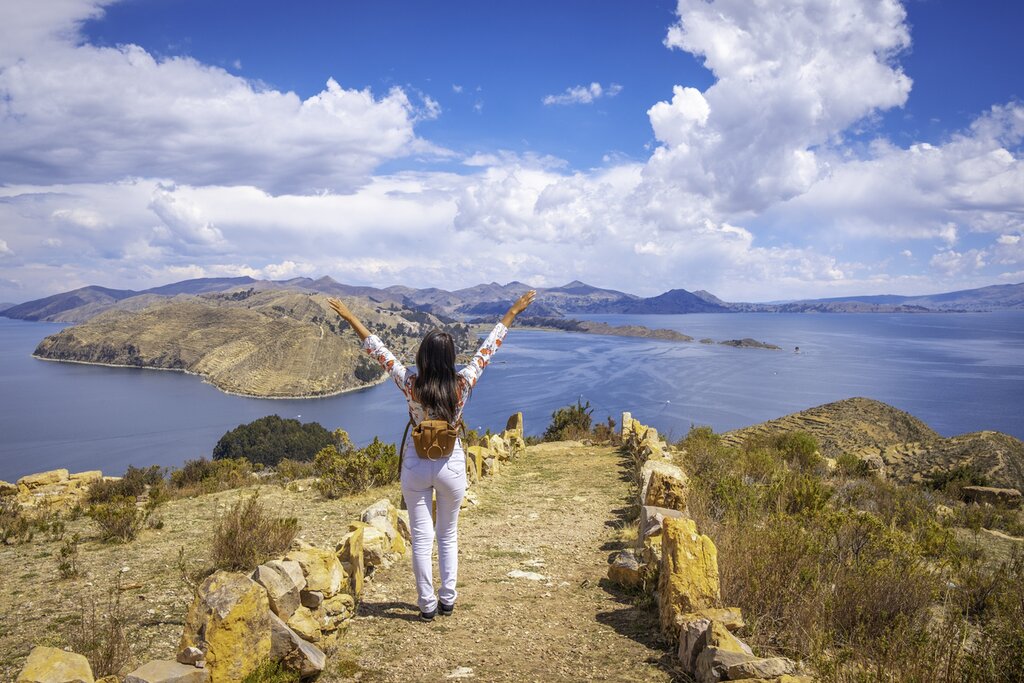
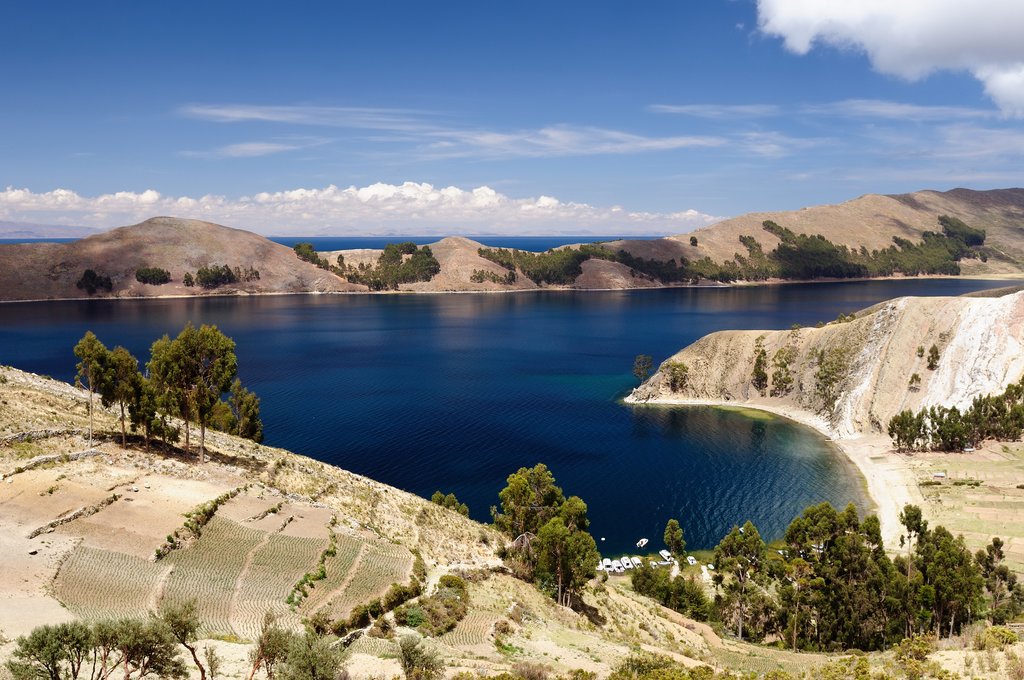
From Copacabana, you’ll take a boat to Isla del Sol (Island of the Sun) and ascend the 500 steps of the famous Escalera del Inca staircase to viewpoints overlooking the beautiful azure waters below. A local guide will take you along the crest of the island above the terraced slopes, still farmed by the Aymara people, recounting legends and myths. As the light fades, you can enjoy the sunset over the highest navigable lake in the world.
Day 11: Explore Isla del Sol - Transfer to Isla de la Luna
After visiting the Inca temple of La Chinkana, the most important Inca ruin on the south side of Isla del Sol, you’ll take a boat to the lesser-traveled Isla de la Luna (Island of the Moon), the female counterpart of the former. Here you can share a traditional apthapi “potluck” meal with the Aymara community, and see the landscape and archaeology of the island. Consider participating in the ancient reed-net fishing methods of the lake-dwellers before settling in for the night.
Day 12: Isla de la Luna hike - Return to La Paz - Fly to Rurrenabaque
This morning you’ll board a private boat and ride to the village of Yampupata on the mainland. From here you’ll trek along the ancient stones of a pre-Colombian path. Three hours of hiking take you through Sampaya and Jinchaca, untouched by tourism, whose village residents will be hoeing their fields of purple-flowered tarwi beans or tending to their herds of llamas between the bright blue expanse of the altiplano sky and the sparkling waters of the lake. A vehicle will take you from the hike’s end back to Copacabana, where you will board the return bus to the La Paz airport.
Board your 40-minute flight to Rurrenabaque. Make sure to grab a window seat for breathtaking views of turquoise glacier lakes sending their waters into the rainforest below. Thick jungle clings to inaccessible folds of mountains where a single slope could hold more biodiversity than entire continents. And at the foot of the last fold, where the mountains give way to the flooded forests and savannas of the Amazon, lies Rurrenabaque.
Day 13: Transfer to Madidi Jungle Ecolodge
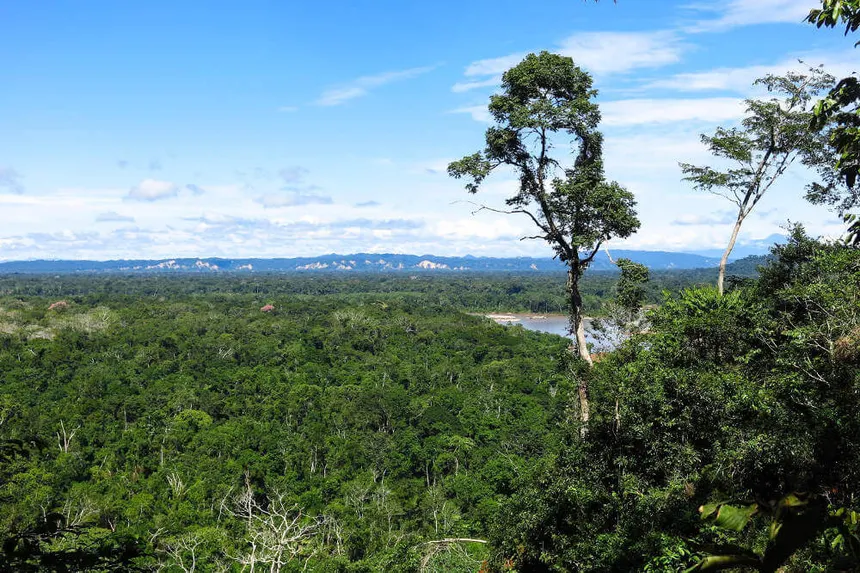
In the morning you’ll depart in a motorized canoe up the Beni River, through the Bala Gorge before continuing along a smaller tributary until you arrive at the Madidi Jungle Ecolodge. This low-impact rainforest eco-venture is wholly owned and run by indigenous people from the heart of Bolivia’s Madidi National Park, a park which is recognized as one of the most biodiverse places in the world—its 1,254 bird species represent 14% of all birds known to man.
After lunch and swinging in hammocks, an afternoon hike takes you to a mammal salt lick, where you will have the chance to see white-lipped peccaries, red howler monkeys, brown capuchin monkeys, toucans, guans (a type of bird), and many bird species. Later, there is the option to do a night hike to see other insects, reptiles, and amphibians.
Day 14: Discover wildlife of the Amazon
Take the morning to hike along the Mapajo and Almendrillo trails to find the Giant Kapok, Almendrillo, and Strangler Fig trees. Here, you will learn about the different forest plants, and discover their medicinal and spiritual uses, as well as their role in the ecosystem. A different set of trails takes you back to the lodge, where the tranquil lunch-and-hammock-siesta rhythm continues.
In the afternoon, you’ll take a short boat trip upstream on the Tuichi River to the Serere trail for a riverside hike to a floodplain to spot native wildlife. Here you might see yellow squirrel monkeys and hoatzin birds, the most ancient bird species in South America (related to the dinosaur). And if you’re up for it, consider fishing for piranhas at the aptly named Piraña Lagoon, before forging ahead to check out a recently discovered salt lick and then returning to the lodge.
When darkness falls, if you’re feeling brave, you can venture out again in search of nocturnal wildlife, like tarantulas and frogs. Whether at the lodge or on the night paths, you can’t help but hear the creatures perform their grand nocturne.
Day 15: Explore the Madidi Jungle
Day three of your jungle retreat holds many options to explore your surroundings further. In the morning, take the Biwa trail (3-4 hours) to see more jungle wildlife such as the tapir, black spider monkey, and more. In the afternoon, you can learn from the local tribes’ members how to make traditional handicrafts, like rings, necklaces, bracelets, and earrings from seeds and nuts collected from the jungle. When it’s time for dinner, settle down to the local dish of dunucuabi (catfish wrapped in leaves) followed by a chance to hear from your guides about the history and culture of the tribes in the area.
Alternatively, you can take a two-hour boat trip to the spectacular Santa Rosa Lake, a natural paradise where you can canoe, fish for piranhas and view wildlife in the deepest Amazon. The boat trip upstream and downstream is a great opportunity to see capybaras, caimans, tapirs, and hopefully spot the elusive jaguar.
Day 16: Return to Rurrenabaque - Fly to La Paz
This is your final morning to soak in the jungle’s peacefulness. Or if you feel like shaking off the tropical stupor, you can go up the Tuichi River to float its rapids and calm sections on an inner tube (life jackets provided).
On the way back to Rurrenabaque, spend a little time visiting Caquiahuara to look for the red and green macaws and other parrot species and when you’re ready, set off again to complete the 2-hour boat ride back to Rurrenabaque. Saying farewell to the Amazon, board your plane for your quick trip back to La Paz in the Bolivian highlands.
Day 17: Free day
Spend today exploring La Paz; the possibilities are endless. One option is to visit the gritty, heavily indigenous neighboring town of El Alto, the epicenter of the Aymara, where you can catch a unique show of the wrestling cholitas (a cross between native Andean women and WWE). You can also dip again into La Paz’s cauldron of cuisine and culture, from the Novo-Andean restaurant Gustus to the wild folkloric nightlife at Gota de Agua or the frenetic rhythms of the Afro-Bolivians at Malegria.
Day 18: Depart
Spend a little time this morning shopping for last-minute gifts and souvenirs before you ride up to the world’s highest commercial airport. On the gondola, if the day is clear, you will see all of the apus, the mountains worshiped as deities, standing guard over the vast plateau. Enjoy one last look from your airplane window over waterfalls and rivers, and the Amazon on one side of the mountains and of the shimmering waters of Lake Titicaca in the distance on the other.
Included meals: B=breakfast; L=lunch; D=dinner
What's Included
Included
- Services and meals included in the aforementioned program
- Accommodation and feeding as mentioned in the program
- Guide in English or Spanish language
- Entries and contributions to the places visited
- All services are private except for the boat trip on Lake Titicaca, which will be shared only with our clients and only if they have the same route
Not included
- Early check-in, late check-out
- Services and food not listed in the itinerary, hotel extras, and personal expenses
- Everything not mentioned in the program
- Airport taxes on the Uyuni/La Paz route
- Tips
- Air tickets
What to Bring
What to Bring or take fo Day Hiking and Technical Equipment for Climbing Expedition
This equipment list is compiled to provide you with adequate help when choosing your equipment for a climb. Most items are required. Please consider each of them and make sure you understand the function and exclusive use for mountaineering, before substituting or removing items from this list. Please note that this list has been carefully annotated by the organizer. Remember that mountaineering, climbing or mountain expeditions tours is an extreme, risky sport, therefore everything related to it is of great attention.
Equipment Trekking
 Hiking backpack for hiking 50 to 60 liters
Light gloves for hiking or (Optional Mittens waterproof)
Medium weight socks
Sleeping bag (-15º to 20ºC)
Small daypack for one day hiking 30 liters
Weather-appropriate clothing (think moisture-wicking and layers)
Hiking boots or shoes
Medium weight parka with fibber fill or down
Rain poncho (or rain gear)
Long-sleeved shirts
Fleece or Wool sweater and/or trousers
Lightweight pants
Cotton short-sleeved shirts or t-shirts
Water bottle for hiking or trekking
Strong waterproof duffel bag
Flashlight with spare batteries and bulb
Towel for personal hygiene each participantFirst-aid kit
Regular and long underwear
Knife or multi-tool
Light cap and wool hat
Sunglasses with UV certification, Sun block, lips
The rest of the list Essentials as appropriate for your hike
Grooming and personal hygiene kit
One Hiking Buff per person
Equipment Mountain
3 Locking carabiners, we recommended per person
We recommend 2 ice screws for each client
1 Daisy Chain (Life Line) per each person
2 Ice axes (per person) technical, we recommended GRIVEL company
1 ATC descender (Rappel), this is very necessary for technical mountains
2 Cords for prusik, very important (Size Cord 6 mm x 10 m. long)
Gloves(Good gloves) for expeditions over 6000meters
Harness for climbing
Sleeping pad / Mattress, we recommend with air or inflatable mattress
Crampons, we recommended GRIVEL company
Walking sticks – Trekking Poles (optional), a pair per person, we recommended GRIVEL company
Down Jacket for expedition
Very important to have personal clothing such as pants and jacket with GOROTEX certification
First aid kit, for high mountains, because we as guides cannot medicate clients
Backpack Capacity 60 liters, it is better to have a bigger backpack to go comfortably to the high camps, because here you have to carry all your personal things
Gaiters or Leggings, now modern boots already have built-in (Incorporated), but better to have an extra pair
Dressing appropriately for the mountains can make the difference between a pleasant trip and a really uncomfortable one. Clothing must provide the right degree of temperature, perspiration and be well ventilated. Preferably cotton clothing should be avoided, as in humid conditions they absorb body heat.
In general, the weather conditions in in the Andes of South America can vary from day to day and even throughout the day. Therefore, clothing must be versatile.
Please do not hesitate to contact us with any questions you may have regarding the necessary equipment.
Prices & Dates
FROM/TO
PRICE (USD)
TRAVEL STATUS
- Single Supplement (I want my own room and tent) – $000 on request.
Please note: Insurance for emergency evacuation is required for this trip. Call for more details.
» Additional dates available upon request
» Rates may vary from July 26th to 31th for the national holidays
Prices (per person):
| 1 PAX | 2 PAX | 4 PAX | 6 PAX | 8 PAX | 10 PAX | 12 PAX | 14 PAX |
|---|---|---|---|---|---|---|---|
| — USD | — USD | — USD | — USD | — USD | — USD | — USD | — USD |
Deposit for reservations
— USD (– EUR) ✓ Full payment 40 days before. No refund if you cancel less than 30 days!
Places:  *Available
Trip-code: Number ►BOL-000
Duration: 1 day
Participants: Minimal: 2 Maximal: 15
Members: We don’t have an open group to join – We can open a new group – Contact us!
Country / Location: Bolivia
Mountain Guide: Eric Raul Albino Lliuya
Other dates / additional info: Contact us!
3% early bird discount when booking 6 months prior to departure 2024
Legend Booking-information:
EZZ Single room supplement
🟢 On this trip, places are still available.
🟡 On this trip, only a few places left.
🔴 This trip is sold out / closed.
Eric Raul Albino Lliuya
Expert guide certified by AGOMP
General Sales Manager of Peru Expeditions
- WhatsApp: +51 943 081 066
- E-Mail: office@peru-expeditions.org
Hans Honold | Certified Mountain and Ski Guide
For a trip with a Professional Certified Mountain Guide from abroad with your own language that you speak, please request us to get in touch. We have guides working for our company from all over the world who are members of IVBV/UIAGM/IFMGA Certified Guides.
- Tel: +49(0)7344 929144-0
It is very important to have accident coverage for trekking and climbing mountains, more if you go a technical mountains over 6 thousand meters, we oblige and recommend buying travel insurance with our partner Global Rescue, you get the peace of mind that the finest medical, security evacuation, field rescue, intelligence and telehealth.
- Tel: +1 (617) 459-4200
Only $1000 deposit to book
Pay over time, interest free
No booking fee, no change fee
24/7 support
Accommodations
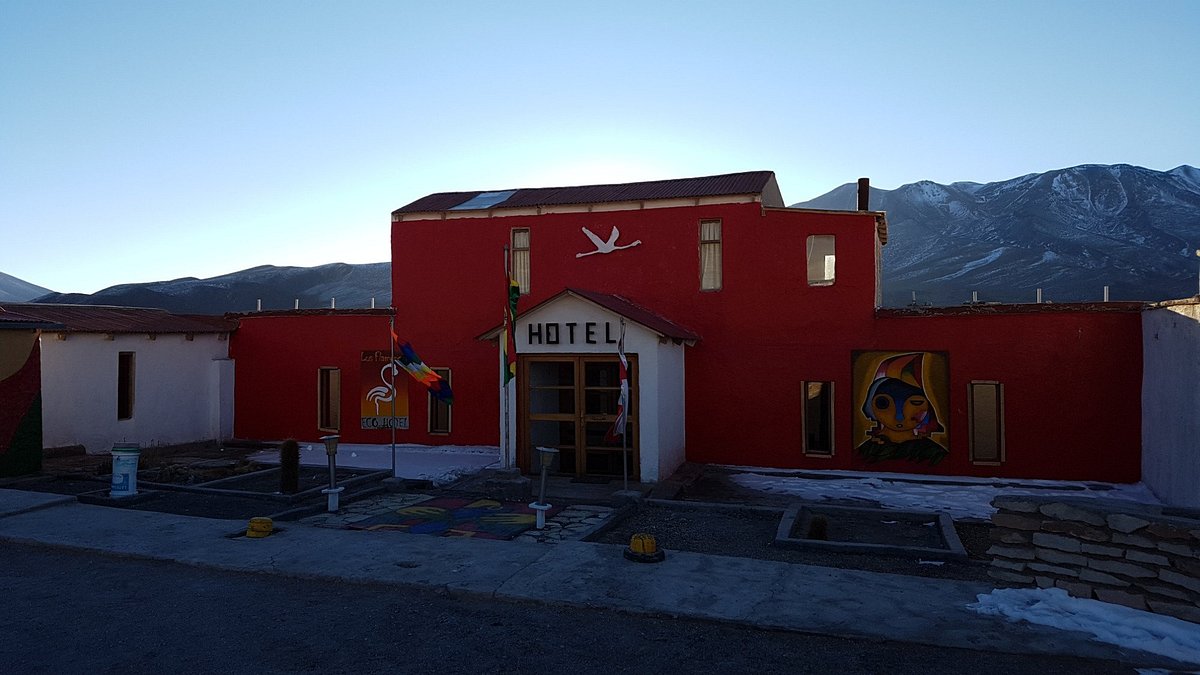
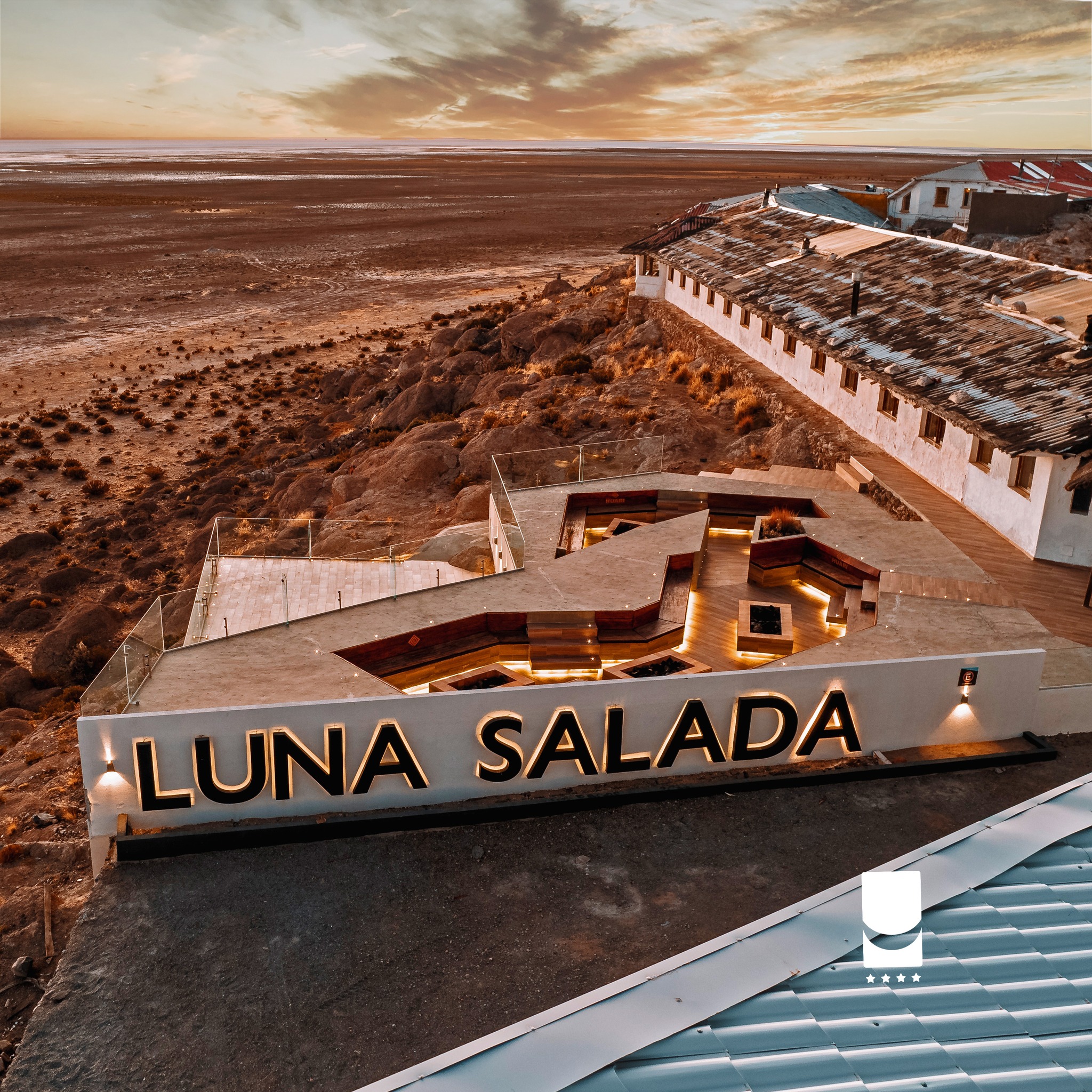
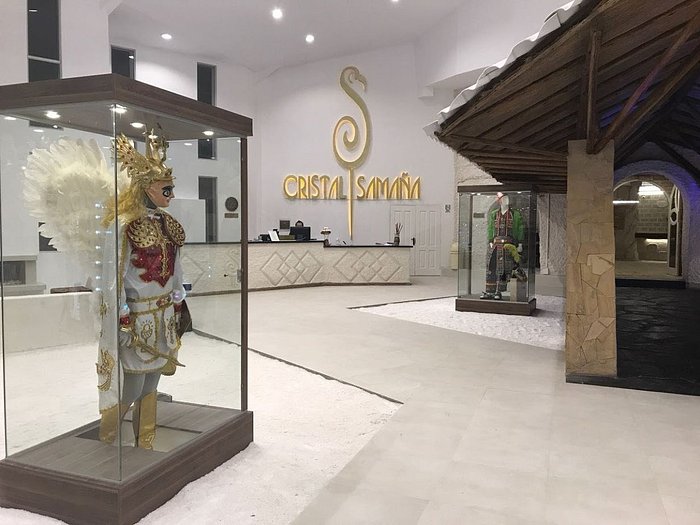
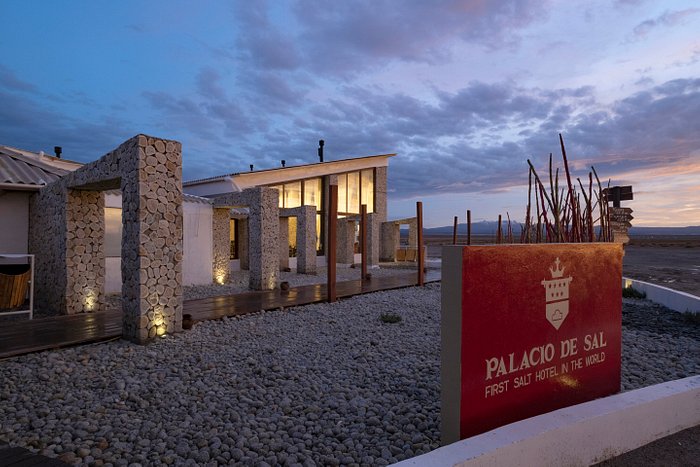
Scroll through our exclusive accommodations for this trip below. Although very unlikely, we will be able to make substitutions when necessary. The comfortable accommodations that guests stay in every night offer comfort, the level that these options are are 3 stars and some hostels in some towns of first class quality to make your stay very pleasant.
*These exact accommodations are not guaranteed. In some cases, alternative accommodation of similar quality and location can be used.
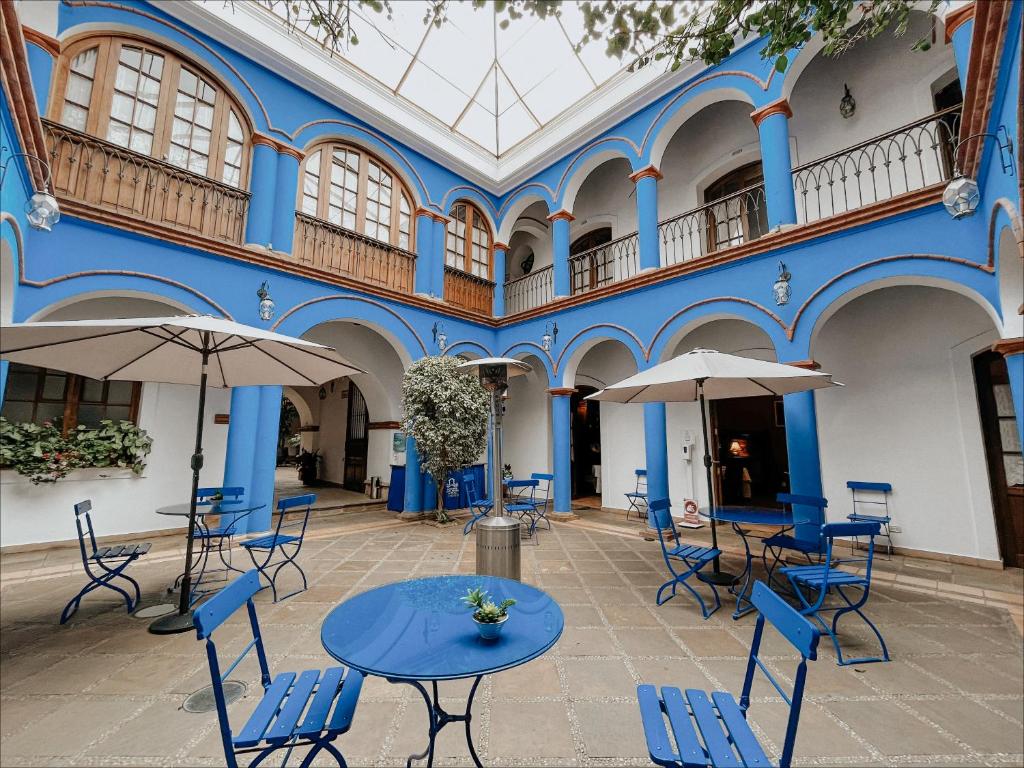
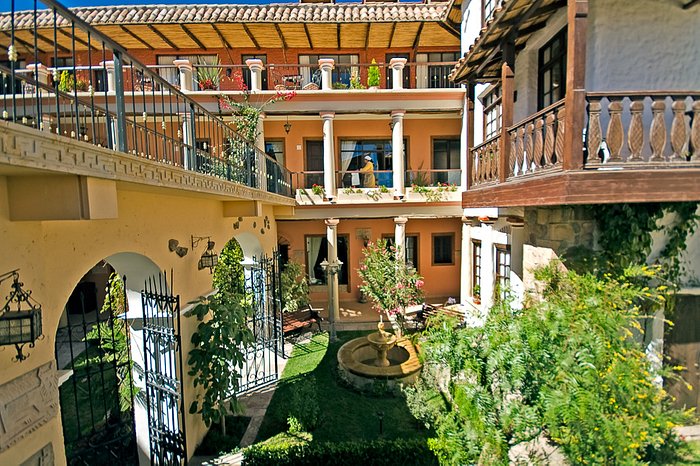
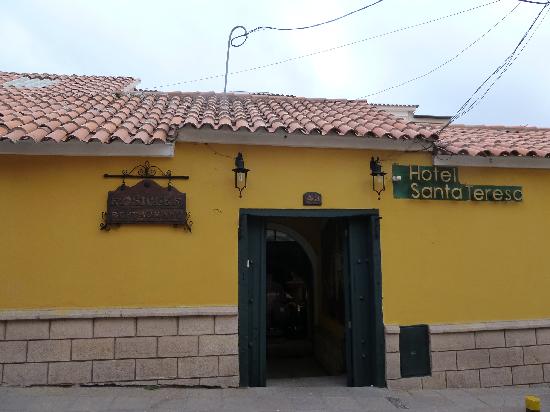
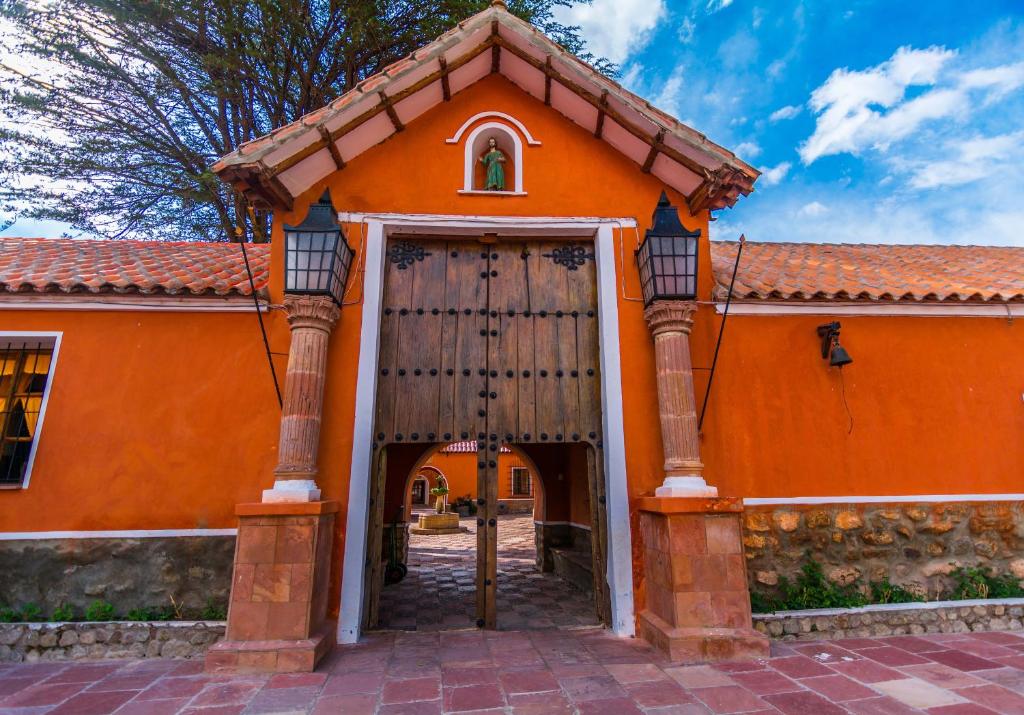
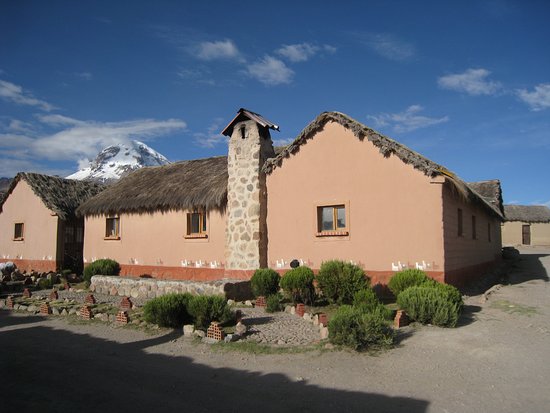
Albergue Ecológico Tomarapi
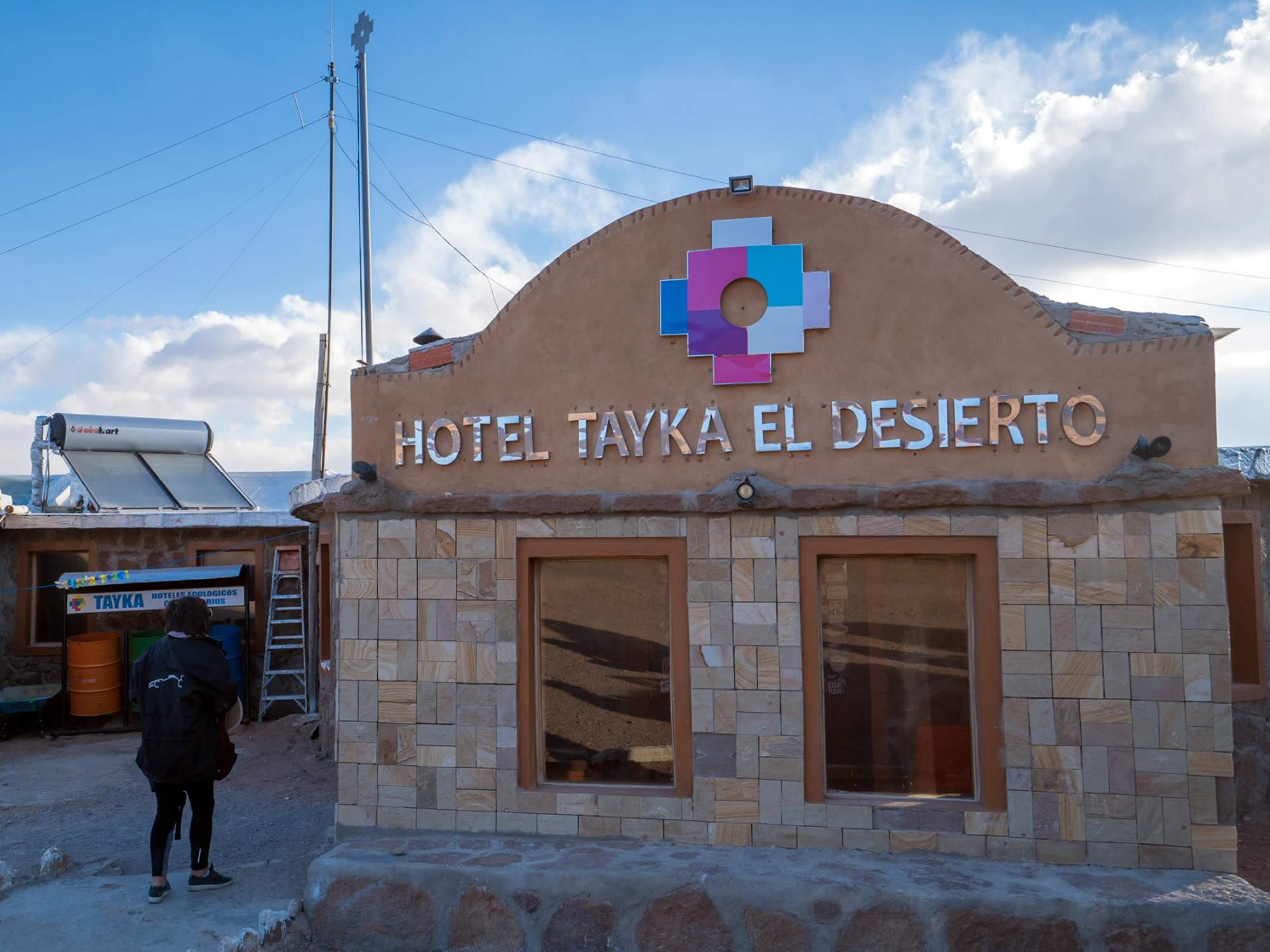
Hoteles Taykas
Videos
Frequently Asked Questions
What our travelers or clients always ask questions before joining our trips, tours & expeditions, read all the information provided here.
Suggested FAQs
What experience and how fit do I need to be to climb this mountain? Is this program suitable for children or older people?
For our mountain climbing trips: If they are easily accessible mountains: For easy-climb mountains, well, you don’t need much experience, but if you already want to climb mountains above 6,000 meters and the conditions become more difficult, we recommend if you already want to go through mountains above 6,000 meters, have a basic or intermediate course for a good preparation. It is very important to be physically, technically and psychologically prepared.
Regarding the preparation of children: Everything will depend on which mountain you want to climb with your children, once you are clear on which of our tours or mountains you want to go with your children, we can give you some advice or see how to prepare them before going with they.
Regarding older people: It all depends on the condition of experience and how well the person is in health, on many occasions older people are the best to walk in the mountains because they have more experience, so it is always good to ask and find out about their experience of older participant. If you have any other questions, please contact us. For calls or inquiries to this number: +51 943 081 066
Will I need to bring any technical equipment of my own? Is it possible to rent equipment, and if so, what would be the approximate cost of that?
In all our trekking or mountaineering trips we do not include personal equipment in our prices, so you have to have your own equipment: Personal equipment (such as boots, ice ax, crampons, harness, sleeping bag, mat, Goretex, etc. ) and also within each page of the trips that we sell is a small list so you can see it on our website.
Our company can also rent the materials that you would need for your trip, see the list here on our website: https://peru-expeditions.org/equipment-rental/ . For calls or inquiries to this number: +51 943 081 066
Are there any other special requirements such as permits/insurance/vaccines that I need to consider before the tour?
Safe and effective vaccines are available that provide strong protection against serious illness, hospitalization and death from COVID-19. Billions of people have been vaccinated against COVID-19. Getting vaccinated is one of the most important things you can do to protect yourself against COVID-19, help end the pandemic and stop new variants emerging.
We also recommend having accident insurance, we always recommend. We are Partners –Global Rescue. If you have any other questions about the trip we can schedule a date for a calling via WhatsApp. For calls or inquiries to this number: +51 943 081 066
What experience do I need to have? How fit do I need to be? Is this program suitable for children or older people?
To do long-distance hiking you need to at least train or do some tours such as visiting lagoons to get the experience and feel comfortable with what you do, it is always good before doing a long-distance hiking tour to test yourself so as not to be with the problems of altitude sickness during the trekking, and if you travel with children it is good to first train them before taking them, if they are accompanied by an adult of legal age, they must do a good acclimatization before going on the long-distance tour or with high altitude camps If you want to know or learn more advice, we can schedule a call via WhatsApp to clarify your doubts. For calls or inquiries to this number: +51 943 081 066
How far in advance should I start training and what kind of training do you suggest?
The preparation is according to what type and what technical level you want to go and climb a trek or mountain, the preparation will always gain experience little by little.
For this type of demanding or technical climbing sports, it is recommended to do some summits above 5 thousand meters beforehand and have good knowledge of high mountain technical equipment such as the use of technical ice axes, ice screws, correct use of crampons, and of course all the technical material. For more information, we can schedule an appointment to be able to explain in more detail everything about the mountain equipment and the preparations prior to joining our outings. For calls or inquiries to this number: +51 943 081 066
What is the average distance and altitude gain that we will hike each day?
Every day we have active walks around approximately 4, to 5 sometimes 6 hours of walking, everything is according to your pace and physical condition of each person, in each of our travel programs you will find more detailed information, and if If you need more information about each day of the travel program, we can schedule a call via WhatsApp to clarify your doubts or questions, for this please contact us. For calls or inquiries to this number: +51 943 081 066
Will there be porters to help to carry group and personal equipment?
In our trips, either hiking or mountaineering: Depending on the type or destination of the trip that you are going to book, in some parts of the treks you go with mules or donkeys or sometimes with horses, and within the mountain trips, the approach camps are also They go with mules or donkeys, but there are some stretches where pack animals can no longer reach. In this part, our logistics is fully supported by the porters.
Who are the porters? They are people from the area who were born and live in the heights of the towns, they are very strong and are very acclimatized, the reason is that after the tourist season ends they dedicate themselves to agriculture and livestock for that reason they are people They are used to the altitude and have lived in nature all their lives and they are happy to be in the mountains together with our expeditions. For calls or inquiries to this number: +51 943 081 066
How will accommodation and meals be handled during the trek?
About accommodation or meals during the tour: Well, depending on the type of tour, when the tour is a classic cultural tour or a city tour, we eat during the route in tourist restaurants and sleep in category hotels that the client has requested.
If the tour is with camps and trekking: During the activity, logistics we include the service of Breakfast, Lunch, and Dinner with traditional and typical meals of the region where you are going to travel with us, during the night we stay in tents, and we have a special tent for the kitchen and another for the dining room.
If the trip is at altitude or in the mountains: We bring special high mountain food, It are quicker meals to cook and we provide complete logistics such as Breakfast, Lunch and Dinner, and we sleep in special 4-season high mountain tents, with the best tents. If you have any questions or concerns, we can schedule an appointment via Whatsapp to clarify all your doubts and give you better information so that your trip is an unforgettable tour.
What is the guide-to-client ratio to climb this mountain?
In mountains above 5000 meters: A local guide takes a maximum of 3 clients = Ratio 3pax = 1 local guide
In technical mountains: In large-big mountains we manage the travel policy, a guide and a maximum of 2 clients = Ratio 3pax = 1 local guide. For calls or inquiries to this number: +51 943 081 066
What is the best time of the year to climb this mountain?
For all the trips that we offer within our main tourist destinations such as South America and Central America, also including the ascent of the 7 continents and the 7 highest peaks of each continent, on each page of our website for each trip we indicate that month or what season to travel, then please read the information you find in our travel offers for each tour. If you have any other questions you can contact us by WhatsApp with one of our travel experts. Thank you so much. For calls or inquiries to this number: +51 943 081 066
Do I have what it takes to succeed on this expedition?
In the interest of the team’s enjoyment and success, we work with every single guest to ensure they are properly prepared and ready for this expedition. We pride ourselves on vetting every member to make sure that the team can bond and succeed together. It really sucks to be grouped with members that are much faster, or much slower, than you are. No one wants to the weakest link on a trip like this. By setting expectations and a solid training plan, we work to insure maximum cohesive success. Use this trip as an exercise motivator, and we will succeed together with style.
How can I get to the trailhead/meeting point?
For the pick-ups of each trip, depending on the place or the trip that you are going to make with us, the meeting point is always at our office, in one of our trips we pick you up where you are staying or staying, or in some cases a A representative of our company will pick you up and then ship you to your transport to continue with your destination of the tour or trip you have booked with us. If you wish to request more information, do not hesitate to contact us. For calls or inquiries to this number: +51 943 081 066
What is the best time of the year for this hike?
For all the trips that we offer within our main tourist destinations such as South America and Central America, also including the ascent of the 7 continents and the 7 highest peaks of each continent, on each page of our website for each trip we indicate that month or what season to travel, then please read the information you find in our travel offers for each tour. If you have any other questions you can contact us by WhatsApp with one of our travel experts. Thank you so much. For calls or inquiries to this number: +51 943 081 066
What happens in the event of bad weather?
About the meteorological conditions of the climate, we try to organize the trips of each tour in the best season to have the best views and enjoy the selected trip but sometimes even is good season we can have bad weather, in this case on hiking or treks trips The complications are minimal, but when this happens during high-altitude climbing expeditions, the complications can become very difficult, that is why the bosses or leaders of the local guides must always make the most correct decision for the safety of our passengers, so we always recommend listening to the best advice from the local guide assigned for each tour. If you have any other questions please contact us. For calls or inquiries to this number: +51 943 081 066
Can I join a group?
We as a local company and connoisseurs of tours have departures on different dates. The best thing to do is to join a travel group to take care of your budget, and of course you can join our groups, but on trips like mountaineering we recommend going in small groups. To join a group, ask us for the dates and we will send you the necessary information to be able to join any of our trips.
Why go in a private trip: For trips whether trekking or high mountains, going privately is the most recommended option, but the costs are more expensive. So, if one joins a group, the prices will be more reasonable. In the mountains, the only disadvantage is if you are in a wall with another partner and if one of the participants gets tired or gets sick. In this case, you have to abort or cancel the summit and return together. For more information, contact us. We can schedule a call via WhatsApp to clarify all your questions.
In a mountain, for example, if 3 people go and one of the participants falls ill on the route, for security reasons they have to cancel or abort the summit or return all together. The same in a technical mountain if the climbing partner gets sick they all have to return, for these reasons sometimes it is better to go private only because for a single person the costs are more expensive for the same reason that the trip would already be private .
For more information please contact us. For calls or inquiries to this number: +51 943 081 066
 The company Peru Expeditions Tours has the most experience in organizing commercial ascents and complex high-altitude expeditions.
  We have the most experienced and qualified guides for cultural trip, climbing tours, MTB tours, Ski tours, including famous climbers.
 We always give away team jerseys-T-shits, buffs, or a cap as a gift
 Good own personal tents to live in height and special big tents to dine inside the trekking or mountain.
 The highest percentage of successful ascents.
 We provide the best living and eating conditions. We take into account the peculiarities of nutrition (you can order a vegetarian menu).
 Free conferences in the office with own videos material and photographs